You drop anchor. The sun is high. You reach for a cold drink, and it’s barely cool.
Few things undermine a perfect day on the water faster than a fridge that isn’t doing its job. Yet across boating communities, the same complaints keep appearing; compressors running constantly, freezers that won’t freeze, units shutting down after a low battery moment.
The reassuring truth? Most “fridge failures” aren’t failures at all. They’re installation or power issues - and they’re fixable.
Does This Sound Familiar?
Your fridge runs non-stop but never quite gets properly cold
The freezer struggles in summer
The unit stopped working after a voltage dip
It worked fine last season, but not after winter
You’re not alone. And it’s rarely the compressor.
If you’d rather have a specialist assess your setup properly:
Why Boat Fridges Struggle (And How to Fix It)
1. Constant Running, Weak Cooling
When a fridge runs 24/7 yet struggles to cool, most people assume the compressor is failing.
The most common cause is typically airflow.
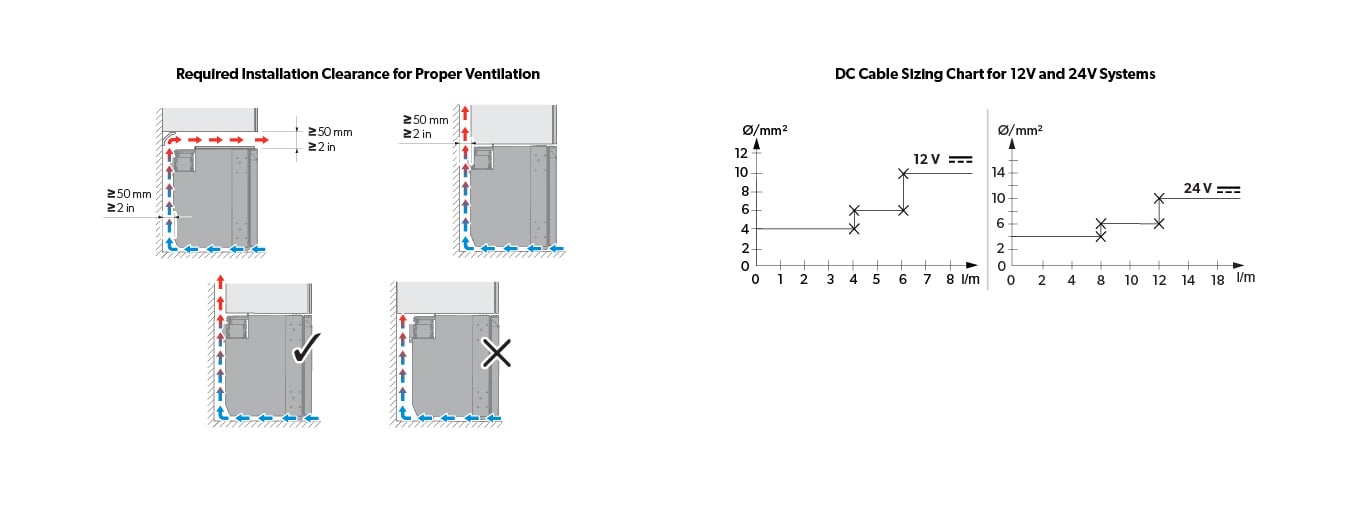
Marine fridges release heat from the rear of the cabinet. If that heat becomes trapped in tight cabinetry, the system works harder, longer and less efficiently. Cooling drops. Energy use rises. Components age faster.
Correct installation means:
Leaving sufficient clearance around the unit
Avoiding sealed compartments
Allowing warm air to escape naturally
Airflow is not a minor detail. It is the foundation of reliable refrigeration.
2. Voltage Drop: The Silent Performance Killer
Marine electrics are demanding. Long cable runs, shared circuits and partially discharged batteries all contribute to voltage drop.
Corrosion and oxidation on electrical connectors are also extremely common in marine environments. Even small amounts of oxidation increase electrical resistance, reducing the voltage reaching the refrigerator.
When voltage dips:
Cooling performance reduces
Control electronics are stressed
Unexpected shutdowns can occur
Stable power means stable cooling, simple as that.
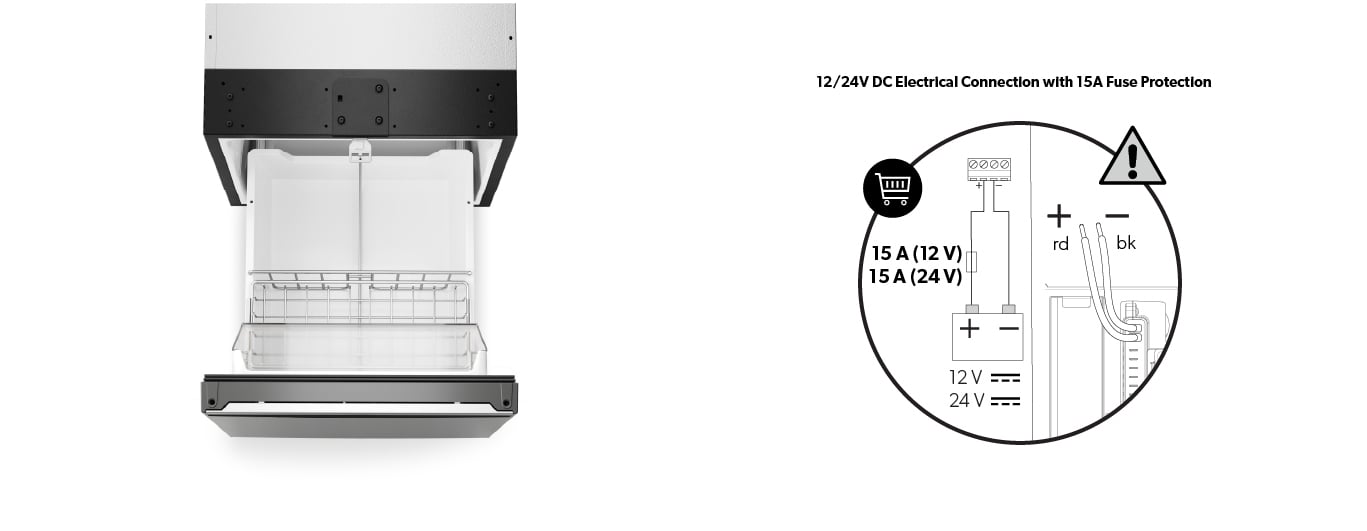
A properly sized DC supply, correct fuse protection and clean wiring are essential. Electrical connections should also be checked regularly for looseness or oxidation, as both can increase resistance and affect performance.
And for boats that regularly switch between battery and shore power, an additional layer of protection can make a real difference.
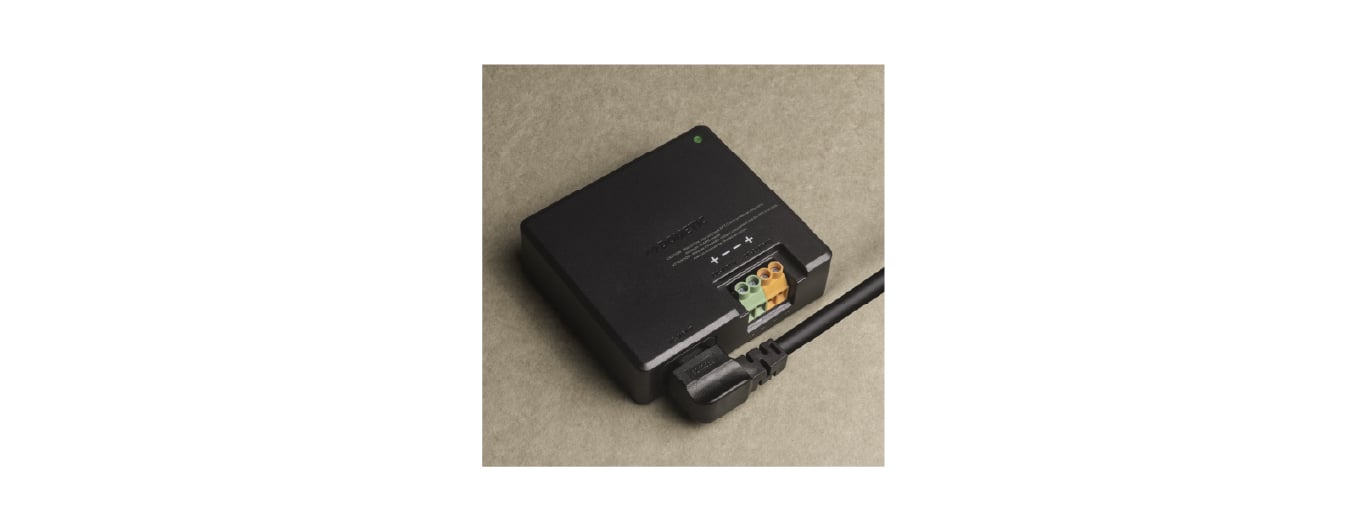
The Dometic DPS-R 135 is designed specifically for compressor refrigerators like the NRX series. It seamlessly switches between 100–240V AC and 12/24V DC, automatically reverting to battery if shore power is disconnected - maintaining consistent voltage without you needing to think about it.
It keeps your fridge stable when power isn’t.
3. “My Freezer Won’t Freeze”
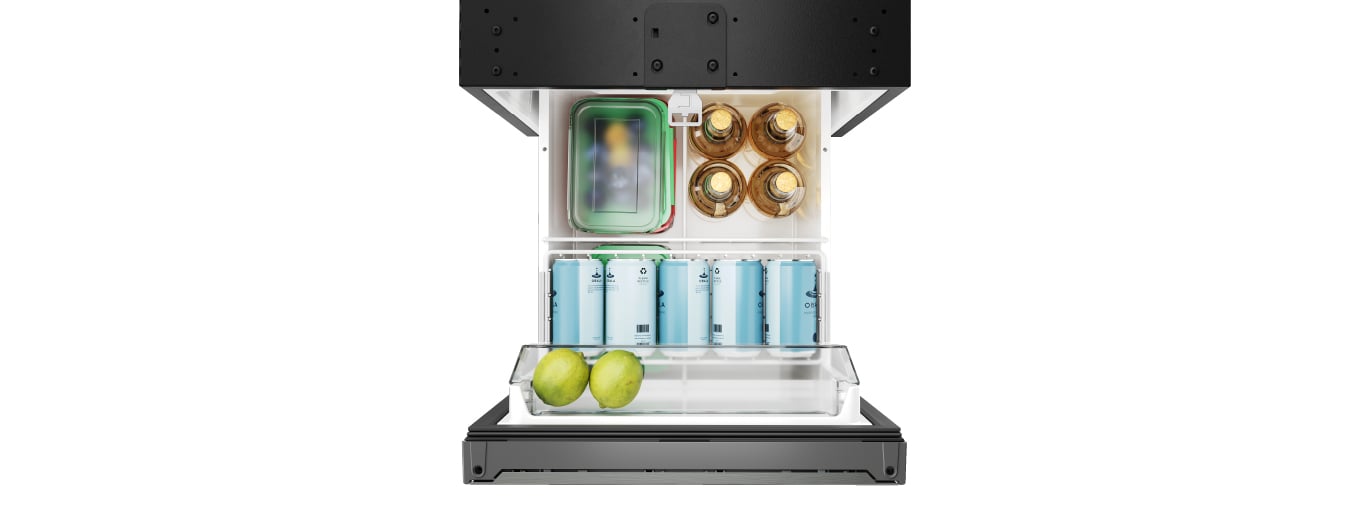
A freezer that won't quite reach temperature is usually battling environment, not hardware.
Consider the conditions:
Cabin temperatures exceeding 30 - 35°C / 86 - 95°F
Direct sunlight heating surrounding cabinetry
Frequent door openings in hot climates
Restricted ventilation behind the unit
Each door opening introduces warm air. Each blocked airflow path traps heat. Over time, performance suffers.
The NRX range is built for real marine environments, but installation quality and sensible usage remain decisive.
Shade matters
Ventilation matters
Power stability matters
Cooling is a system, not just a box
4. Over-Freezing or Temperature Drift
Another common frustration: vegetables frozen solid even on a low setting.
Temperature regulation depends on accurate sensing and control. In many older marine refrigerators, mechanical capillary thermostats are used. These systems can be less precise and typically offer a limited adjustment range.
The NRX series uses a highly reliable NTC temperature sensor paired with advanced electronic control. This allows the system to monitor temperature more accurately and maintain stable cooling cycles.
However, consistent regulation still depends on good electrical conditions. Loose electrical connections or voltage fluctuations can interfere with the control electronics and lead to temperature drift.
For best performance, ensure:
A clean, stable electrical supply
Secure electrical connections
Sensible internal loading (don’t block internal airflow)
Correct levelling
Precision comes from correct setup.
5. Problems After Winter Lay-Up
It’s common to hear: “It was fine last year.”
After winter storage, the most frequent issue is not the refrigerator itself - it’s the house battery charge.
Batteries naturally discharge during winter due to low temperatures and small current leakages within onboard systems. When spring arrives, the battery voltage may be too low for the refrigerator to start.
Dometic refrigerators include battery protection settings designed to prevent excessive battery discharge.
On a 12V system, the refrigerator will stop operating if voltage drops to approximately 10.4V in order to protect the battery. The system will only restart once the voltage rises back to around 11.7V.
For 24V systems, the protection thresholds are 22.8V (cut-off) and 24.2V (restart).
System | Cut-off voltage | Cut-in voltage |
|---|---|---|
12 V | 10.4 V | 11.7 V |
24 V | 22.8 V | 24.2 V |
In most cases, simply recharging the house batteries restores normal operation.
Thousands of boat owners rely on compressor refrigeration every season. When installed correctly and powered properly, these systems run quietly and reliably for years.
The difference isn’t luck. It’s integration.

The Bigger Picture - And Your Next Step
Across brands and forums, the pattern is clear. Fridge issues are rarely compressor issues.
They are usually:
Airflow constraints
Electrical instability
Installation shortcuts
Environmental oversight
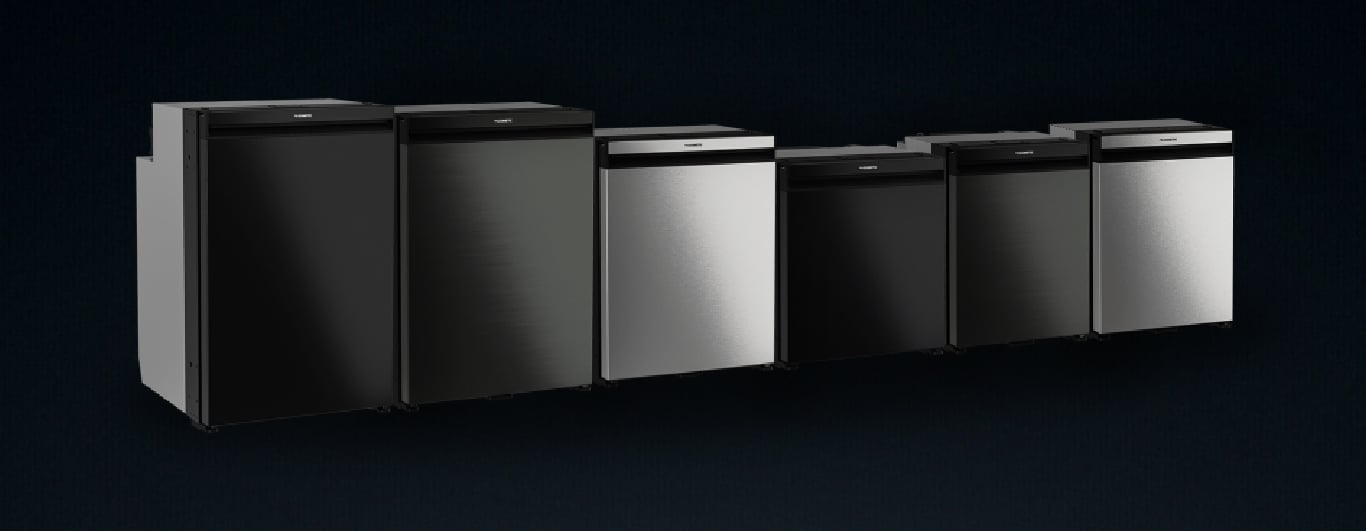
The NRX range is engineered for marine life, efficient heat exchange, robust DC compatibility and stable electronic control. But even the best equipment performs at its best when properly installed and supported.
That's where experience makes the difference.
If your fridge is underperforming, speak to a marine refrigeration specialist who understands onboard electrics and ventilation. If you're planning an upgrade, explore a system designed specifically for real marine conditions.
And if you want direct support in your area:
Warm days are inevitable.
Warm drinks are not.