Meet the all-new Slimline 3 Roof Rack, the first product in Dometic’s new Front Runner Series range. What’s the story behind this new arrival? We went straight to Reder van Der Merwe, Front Runner’s Head of Product and Engineering, and Rob Howie, Head of R&D, for the inside scoop.
How did you design a successor to the Slimline II, the standard for robust, reliable overland racks?
Reder: We started from scratch, focusing first on storage for vehicle-based adventures. Drawing on our rack experience, we aimed to create a significantly better solution that would set the industry standard, not just improve the Slimline II. We retained some concepts, including the T-slot design, to maintain compatibility with our accessory range.
What sets the Slimline 3 apart from other roof racks?
Reder: We come from a rich overlanding heritage that shapes our decision-making, designs, and actions. With the Slimline 3 specifically, we've added many new features and capabilities, along with class-leading strength-to-weight ratios. This really sets it apart for the end user.
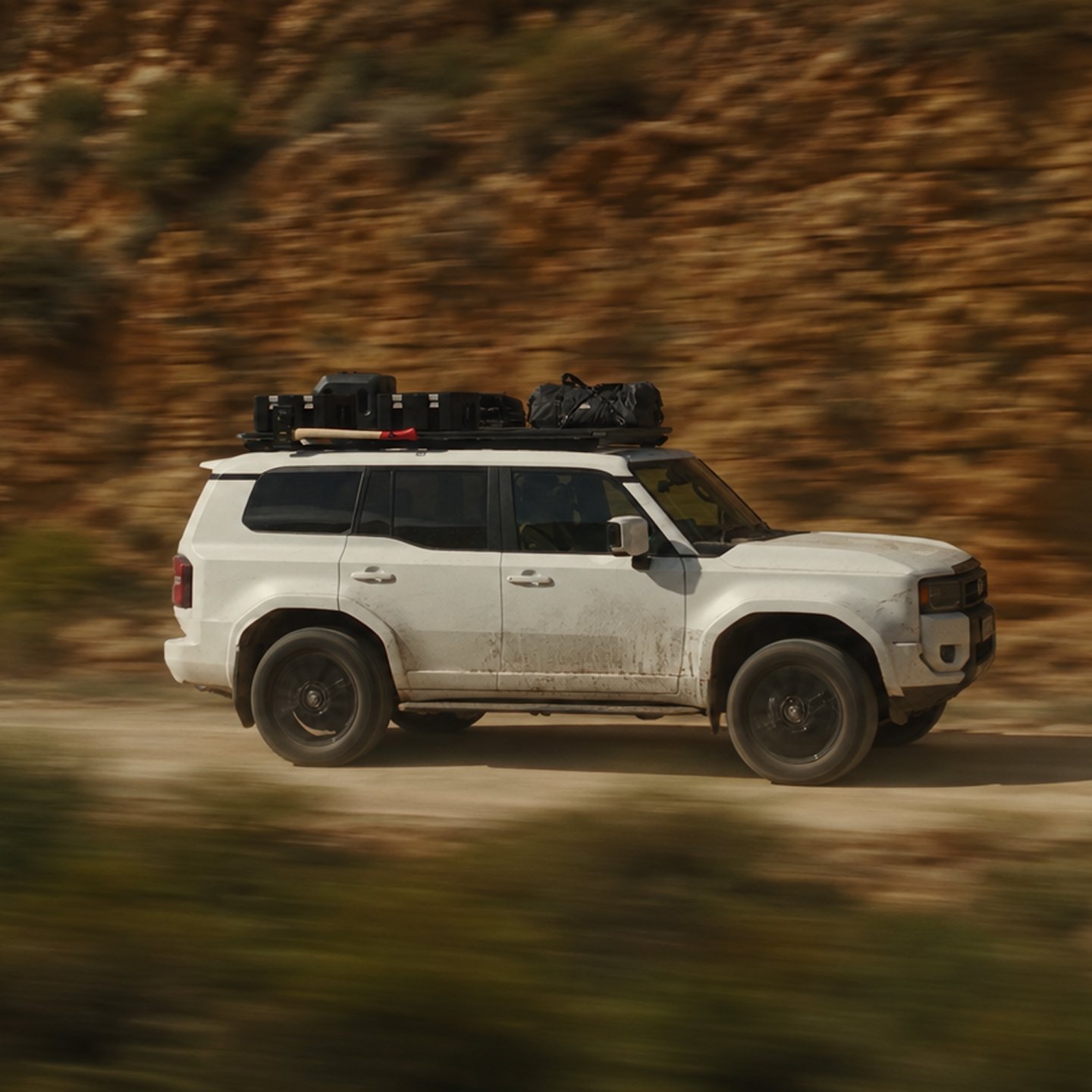
Rob: It must be the modern look and lower profile. If you look in our car park, you'll see vehicles with Slimline II racks that look old-school and stand much taller. When Stanley Illman started Front Runner 25 years ago, they were touring in G Wagons and old Defenders, which are box shaped. Today's overland vehicles are very different, and we needed a rack solution that suits them. If you put a Slimline II on the new Toyota Prado, it looks a bit old; put the new Slimline 3 on, and it looks like an OEM part. That is progress.
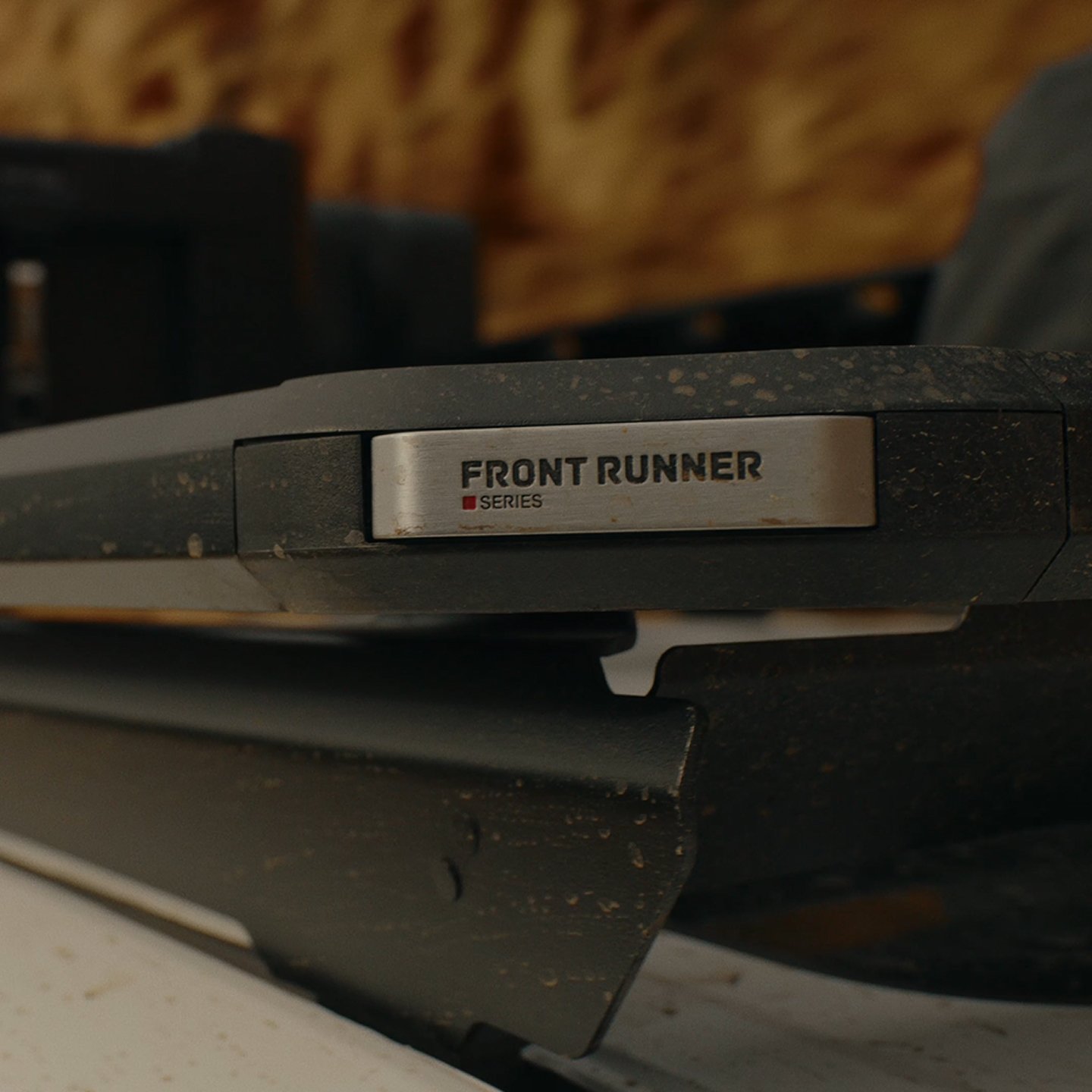
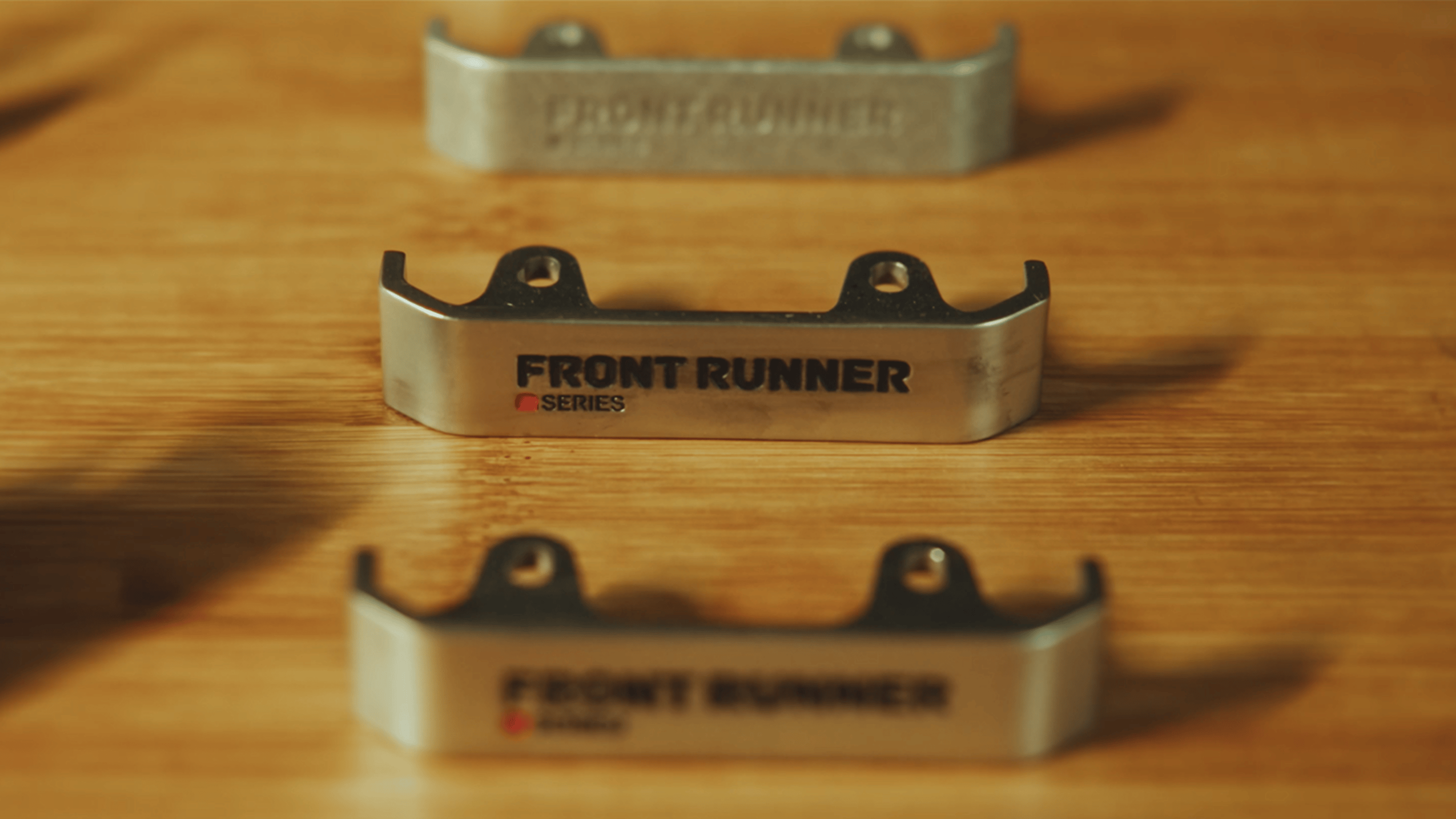
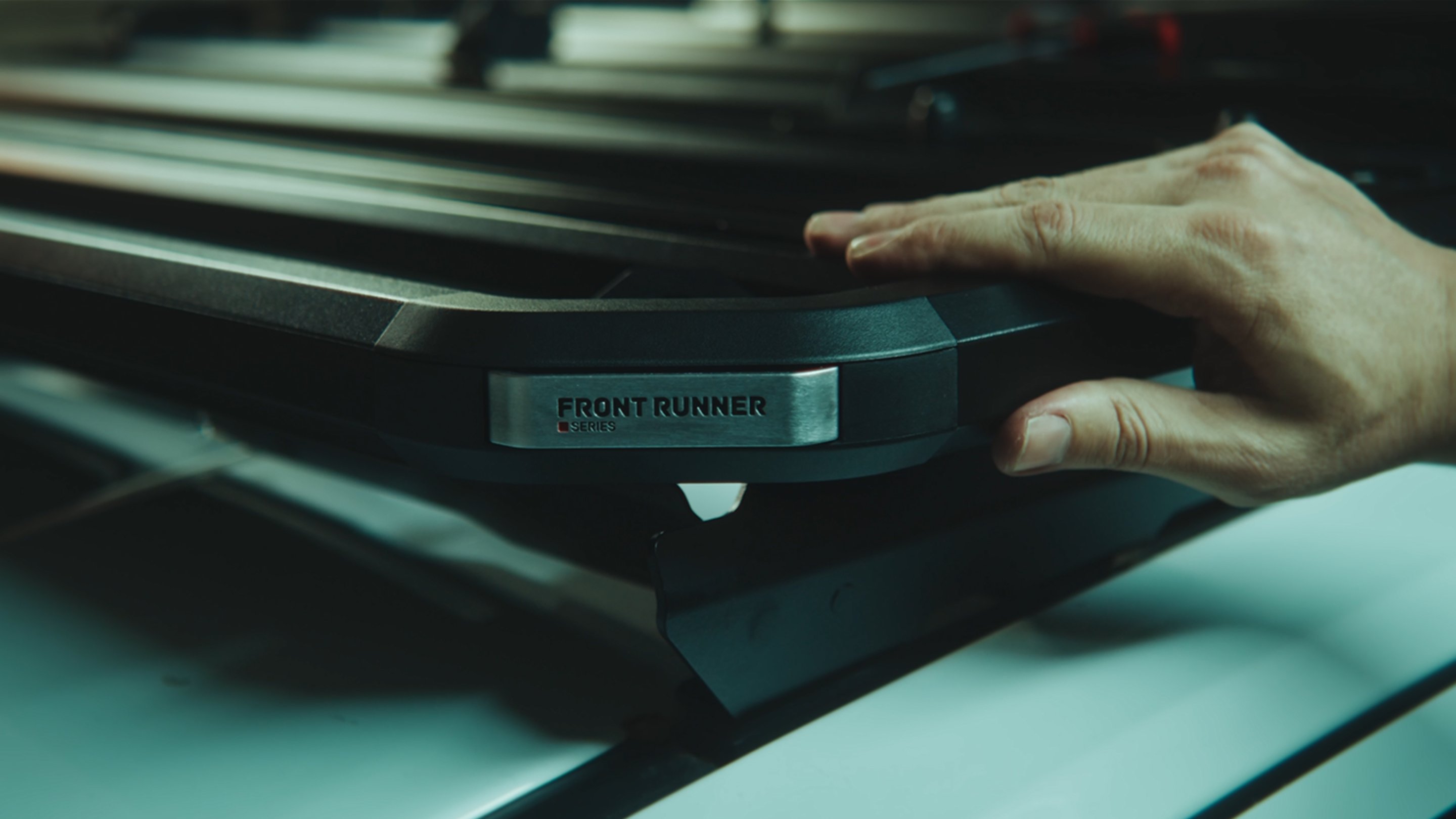
Take the corners of the Slimline 3, for example, with their brushed-alloy finish. They have an almost Swedish look, even though we designed them here in South Africa. We’ve added classy design elements you might find in a Bose speaker or a Porsche, taking rack refinement to another level. And while it looks good, we know users can also take it on the toughest trails and roughest roads, and it won’t let them down.
Is the Slimline 3 easy to assemble?
Rob: If you follow the fitting instructions, you are essentially building a frame first, then fitting everything into it. The Slimline II was different; you always bolted a slat to a side profile. I can confidently say the Slimline 3 is easier to assemble.
From an engineering or design perspective, it’s a well-thought-out rack. We have moved from a basic, cost-effective rack to a better-engineered one. Once the frame is in place, the slats just pop in and can be repositioned. We needed something that could keep pace with the times and with what people wanted.
Which single Slimline 3 design element are you most proud of?
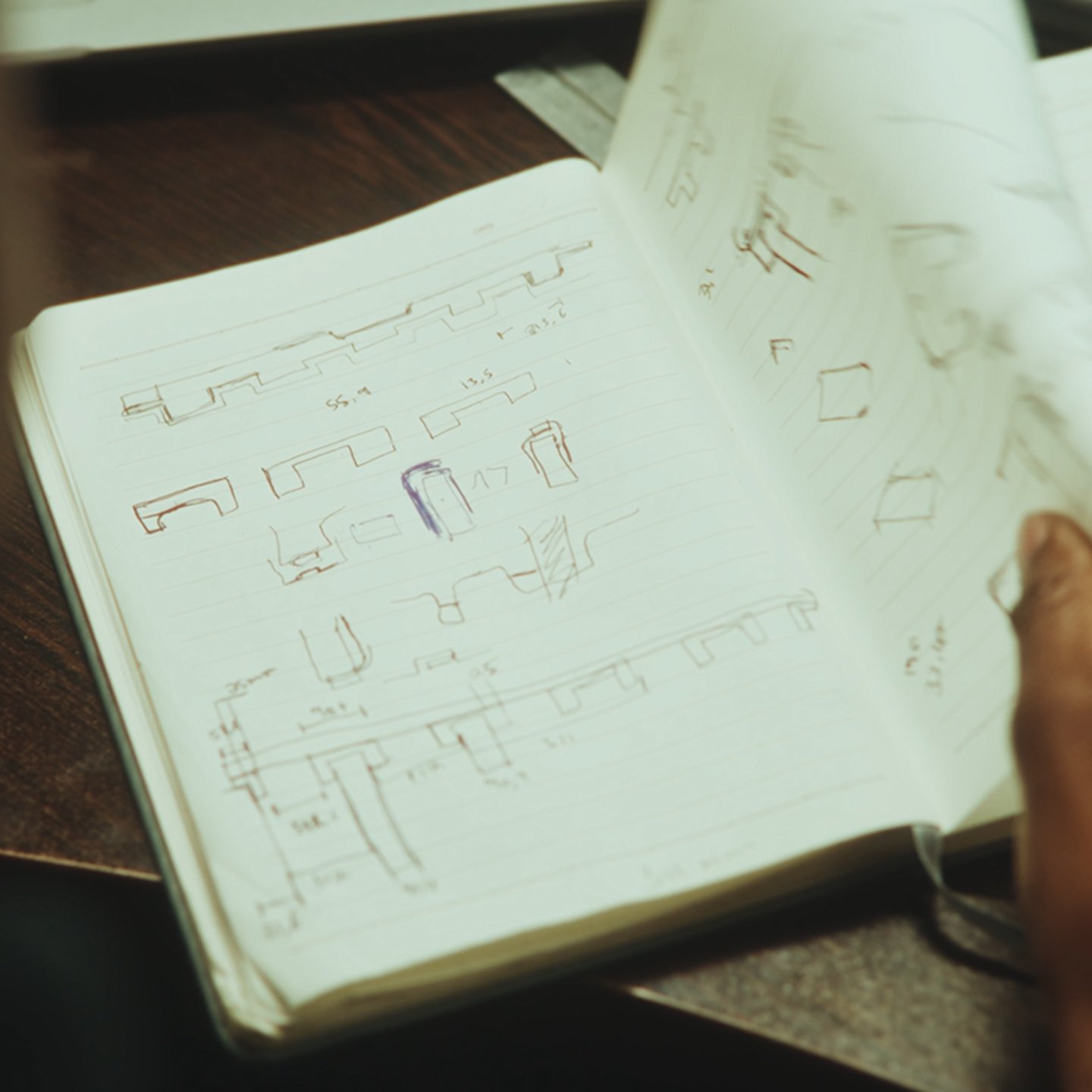
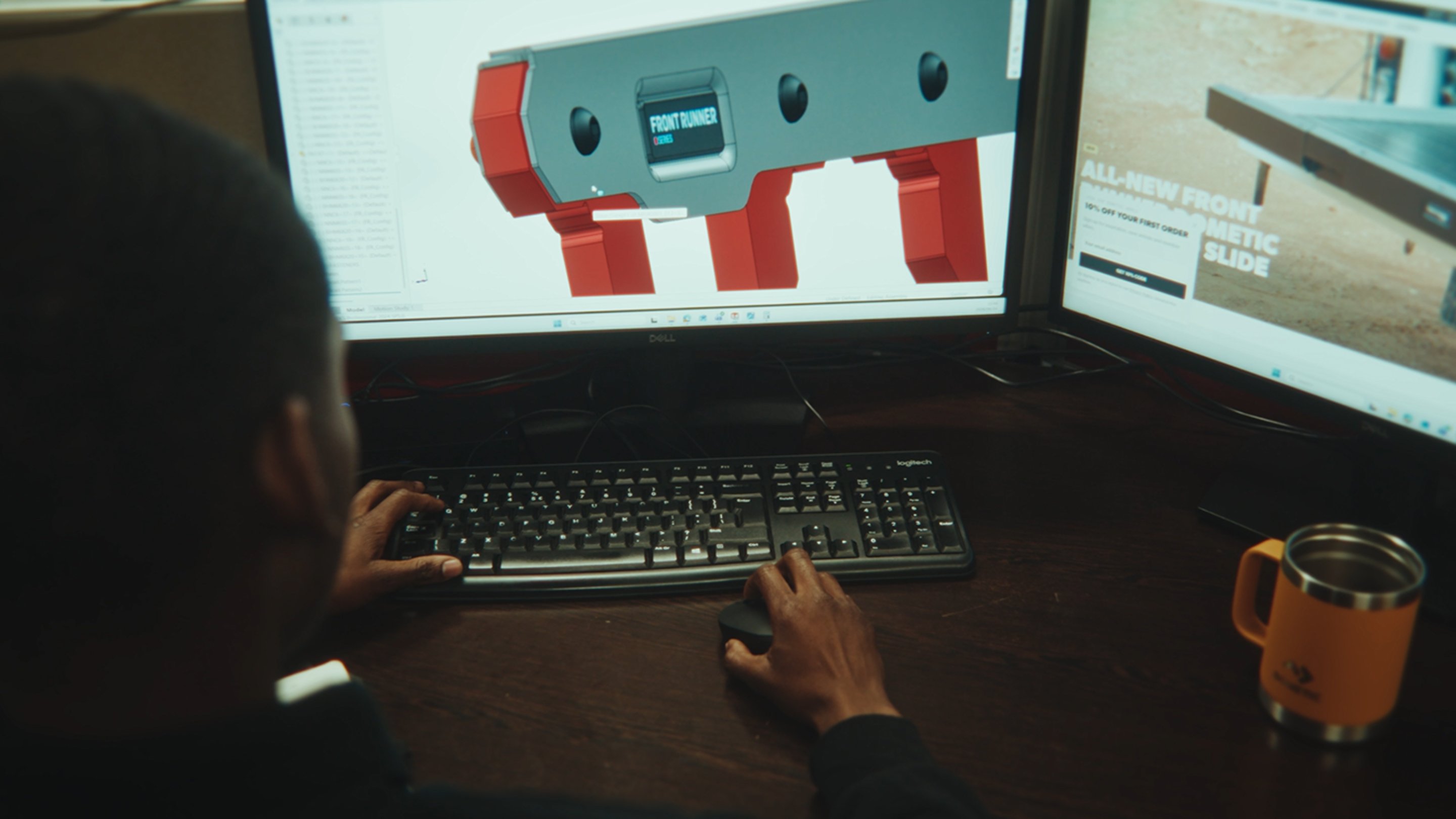
Reder: I’m prouder of the process we went through to bring the Slimline 3 to life. Our team of designers and engineers came together to share their concepts. We reviewed them all, took the best elements from each, and combined them to create the Slimline 3. Many of those concepts fed into the extrusion design, the heart of the rack. This enabled us to incorporate all the features and functionality we wanted.
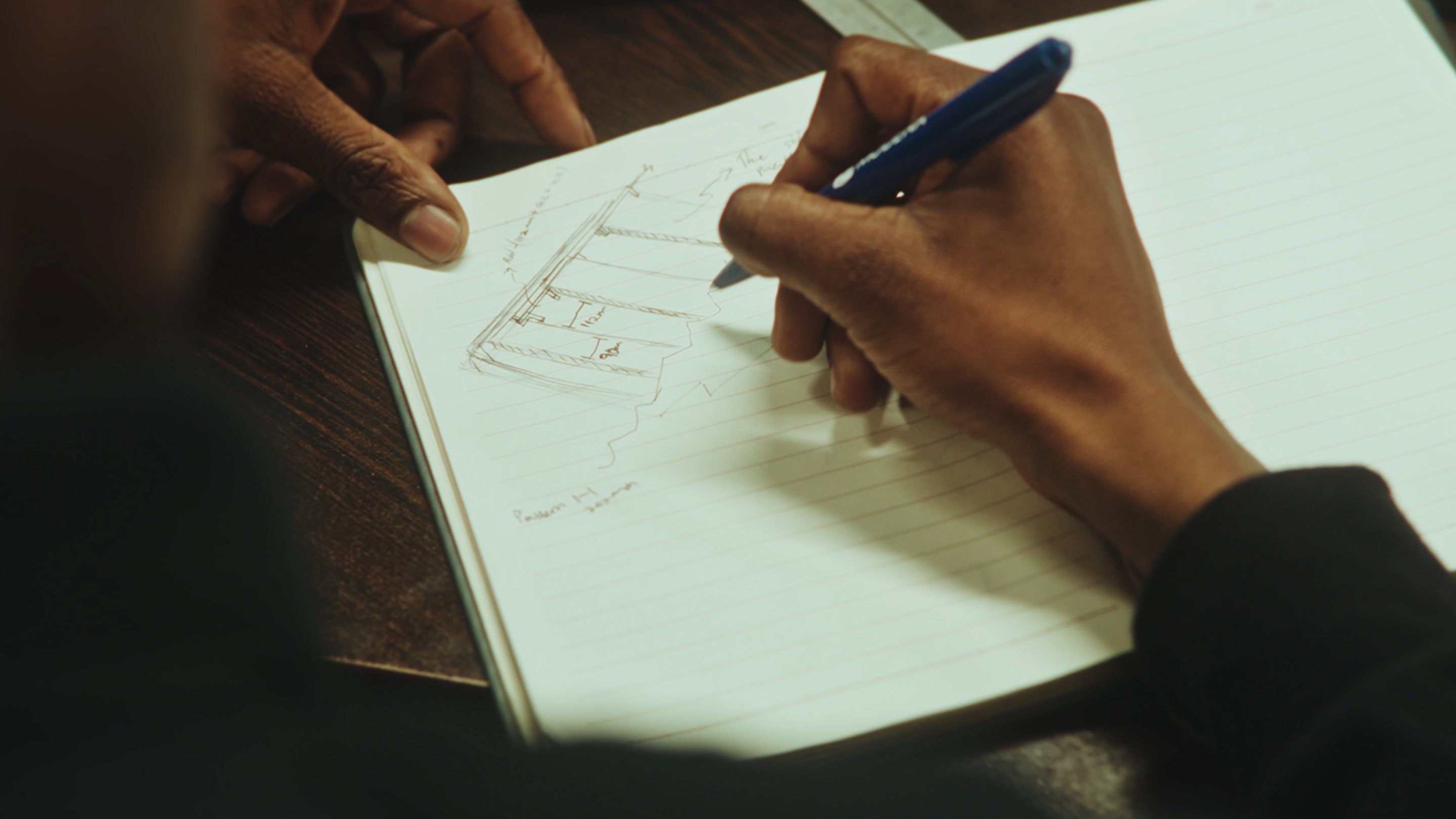
Explain extrusion design?
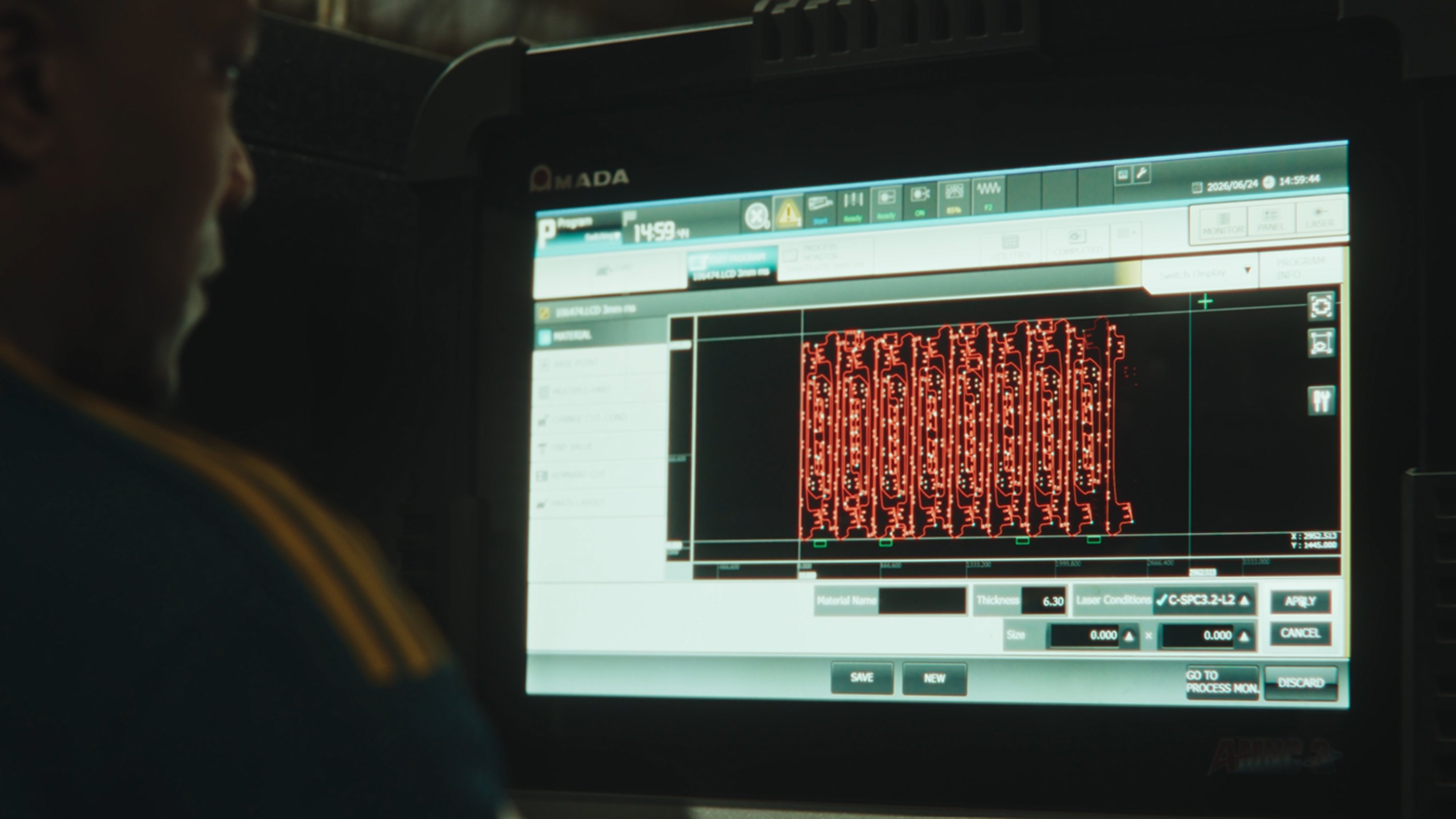
Reder: It’s about the design of the slats and the side, front, and rear profiles, and how you bring these elements together to form a rack and tray. That includes everything from the corners and mounting systems to the foot rails.
You can now move or add slats without dismantling the rack. Tell us more.
Rob: It’s a game-changer. If your gear uses only three slats, you can quickly remove the others and leave them at home for a much lighter set-up, then refit them when needed. The Slimline 3 offers even more features and benefits for those who value efficiency.
I recently wanted to move my roof tent further back on my Slimline 3 rack. I did so by loosening the slats and moving them back to where I wanted the tent. It took me seconds, and I never had to touch or reset the tent mounting system.
Why the move from single to dual T-slots on the slat?
Reder: The main benefit is that it offers the rack more configuration options. Everyone has different needs when travelling. The number of people in the vehicle, dietary and sleeping preferences, and other factors all influence what gear you need and how you pack it. The rack’s versatility and adjustability open up more possibilities, allowing everyone to adventure on their own terms.
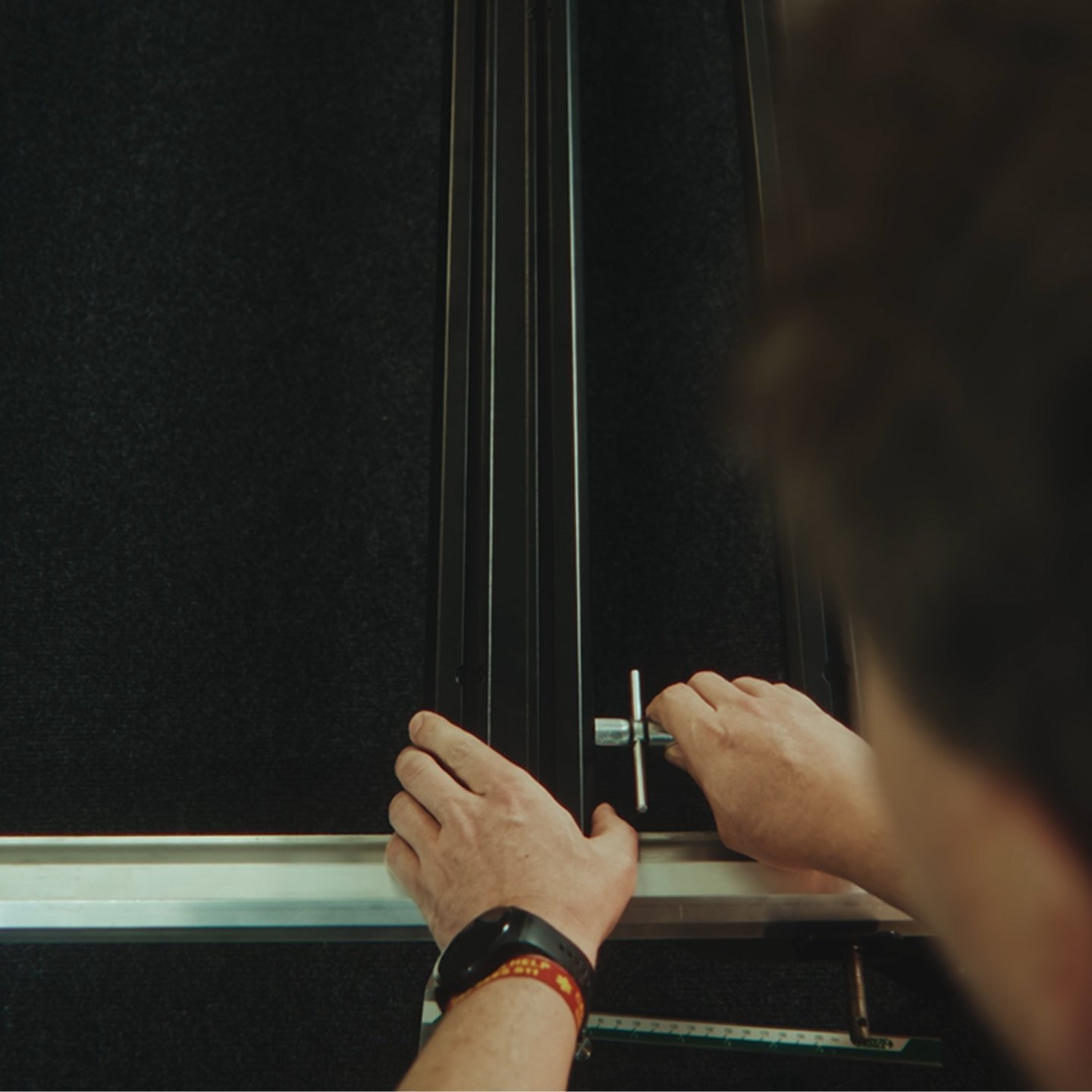
The slat architecture is so different to that of a Slimline II slat. Why?
Reder: There are two key reasons. First, it let us incorporate all the additional features. Remember, the slats are the centrepiece of the rack’s design. Second, we wanted to improve the strength-to-weight ratio so customers can have complete confidence in the rack. We aimed to make it stronger and more robust without adding weight. That’s why the slat architecture is critical.
Was there an emphasis instead on sleekness and aerodynamics?
Reder: The market’s needs and preferences have shifted significantly over the past 5 to 10 years, largely towards racks that are as functional as possible while still looking good. Modern vehicles have striking aesthetics, and people don't want to place a big chunk of metal on top of a great-looking vehicle. They prefer a lower, sleeker look that integrates with the vehicle and accentuates its aesthetics rather than detracting from them.
Beyond aerodynamics, noise, and aesthetics, a flat rack also gives you more flexibility in what you can mount and which accessories you can place on top of it. You can have gear that slightly overhangs the rack edge, or large items of gear that need to lie flat on the rack. This is why we have done away with the perimeter lip that was available on the Slimline II.
Lighter and sleeker, yet stronger. Please explain.
Reder: Ultimately, it comes down to the extrusion design. Our new mounting systems also mark a step up in design and aesthetics. They look incredible. When we went back to the drawing board, we asked ourselves which material would work best for the Slimline 3. That's when we chose 3C12, a specific grade of stainless steel.
The 3CR12 offers high strength, fatigue resistance, and corrosion resistance. Many of our products are used in coastal environments or in regions such as Europe and North America, where roads are salted, making corrosion resistance critical.
How has gear-tethering improved on the Slimline 3?
Rob: The integrated tie-down points at each corner mean you don’t need the tie-down rings to create a tie-down point. You can use any corner. The extra T-slots also give you more options. We have created bespoke accessories for the Slimline 3, such as the spade and awning mounts. Over time, we will add more Slimline 3-specific accessories, all sharing the same modern, sleek look as the rack. Until then, thanks to the T-slots, our older range of rack accessories is compatible with the Slimline 3, except for the side-mount accessories, of course.
Tell us about prototype testing
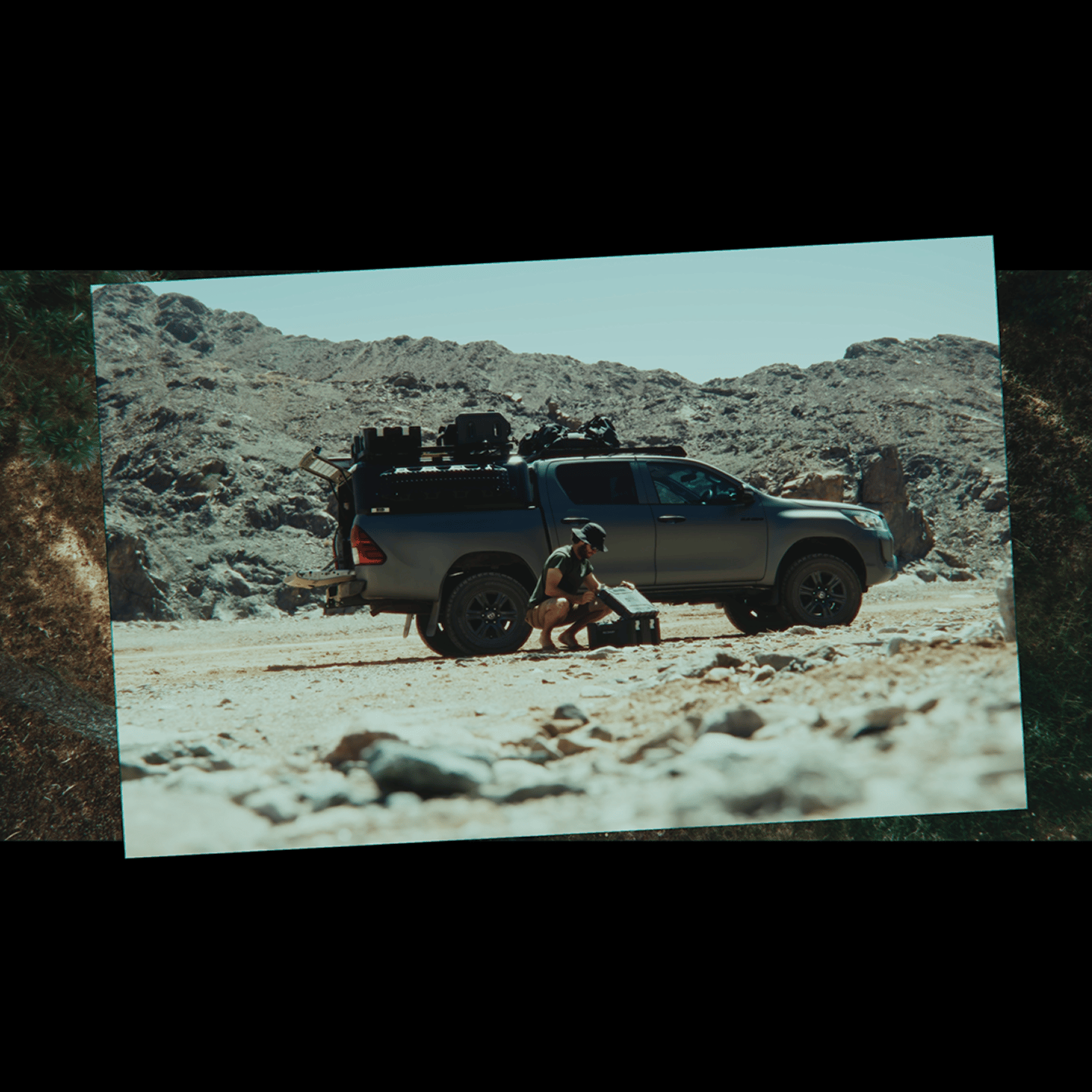
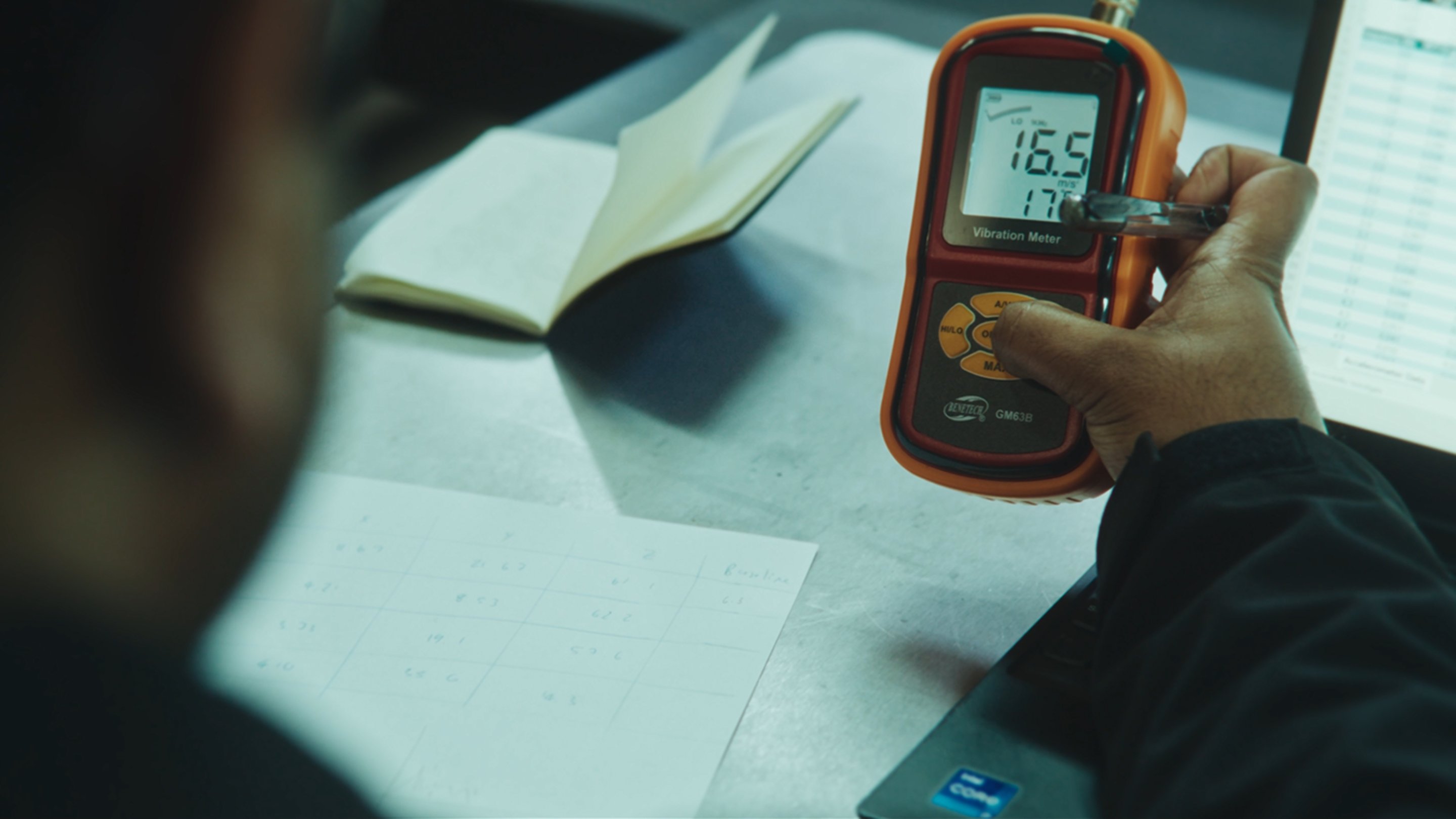
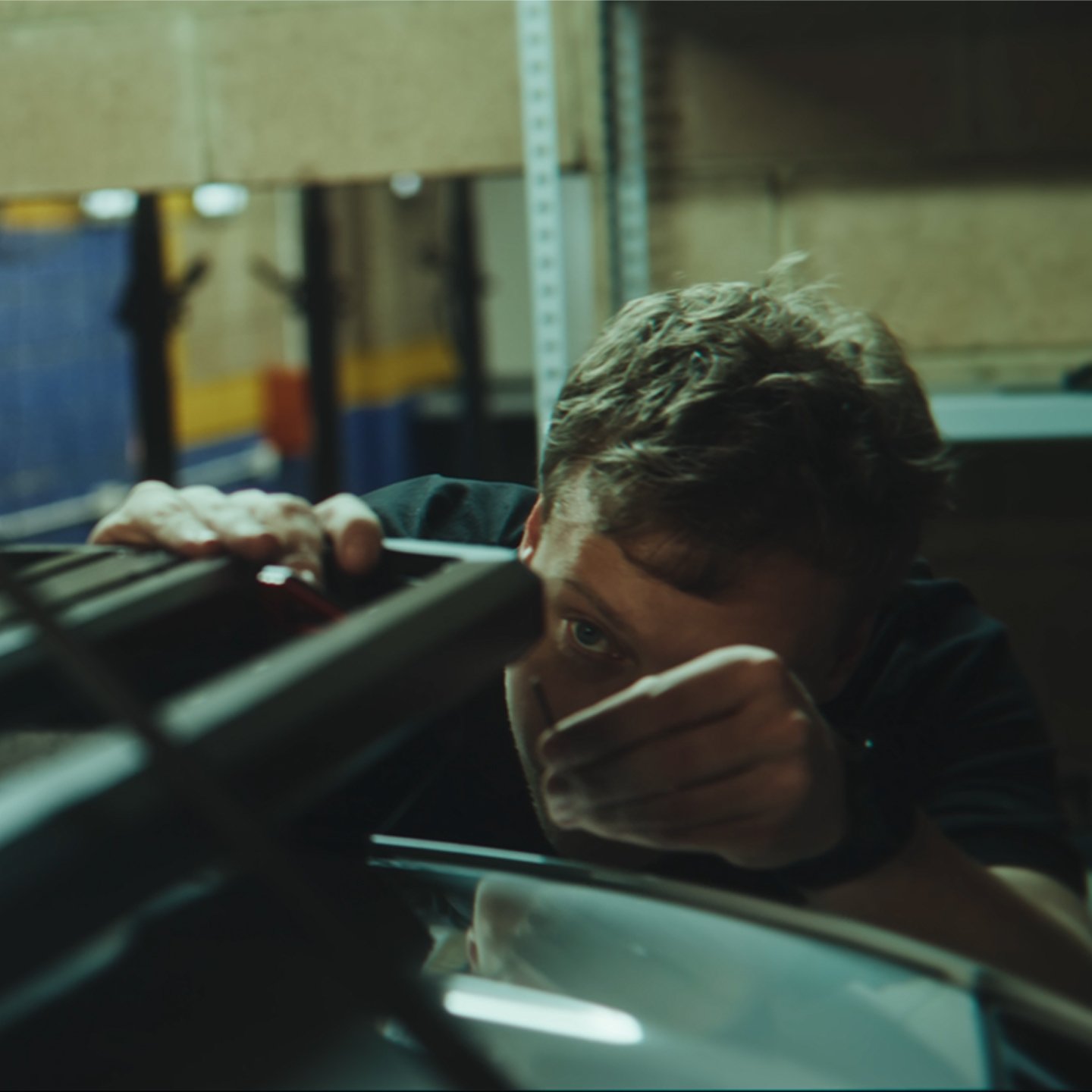
Rob: As soon as we had the design pinned down, we couldn’t wait for the corners to be die-cast, so we had a few prototype racks made and fitted them to our vehicles. We applied branding tape to the corners and tested them on our camping trips. The biggest challenge was testing them on each vehicle type. Ideally, you need to leave it on a car for several weeks to pick up any issues. The biggest challenge is eliminating wind noise across various vehicles. Often, a small adjustment fixes it or gets it working the way we want.
Meet Rob and Reder

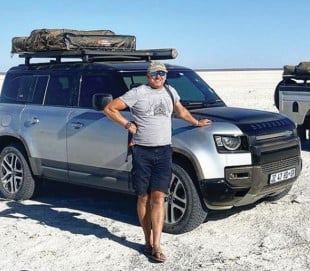
Rob Howie, Head of R&D
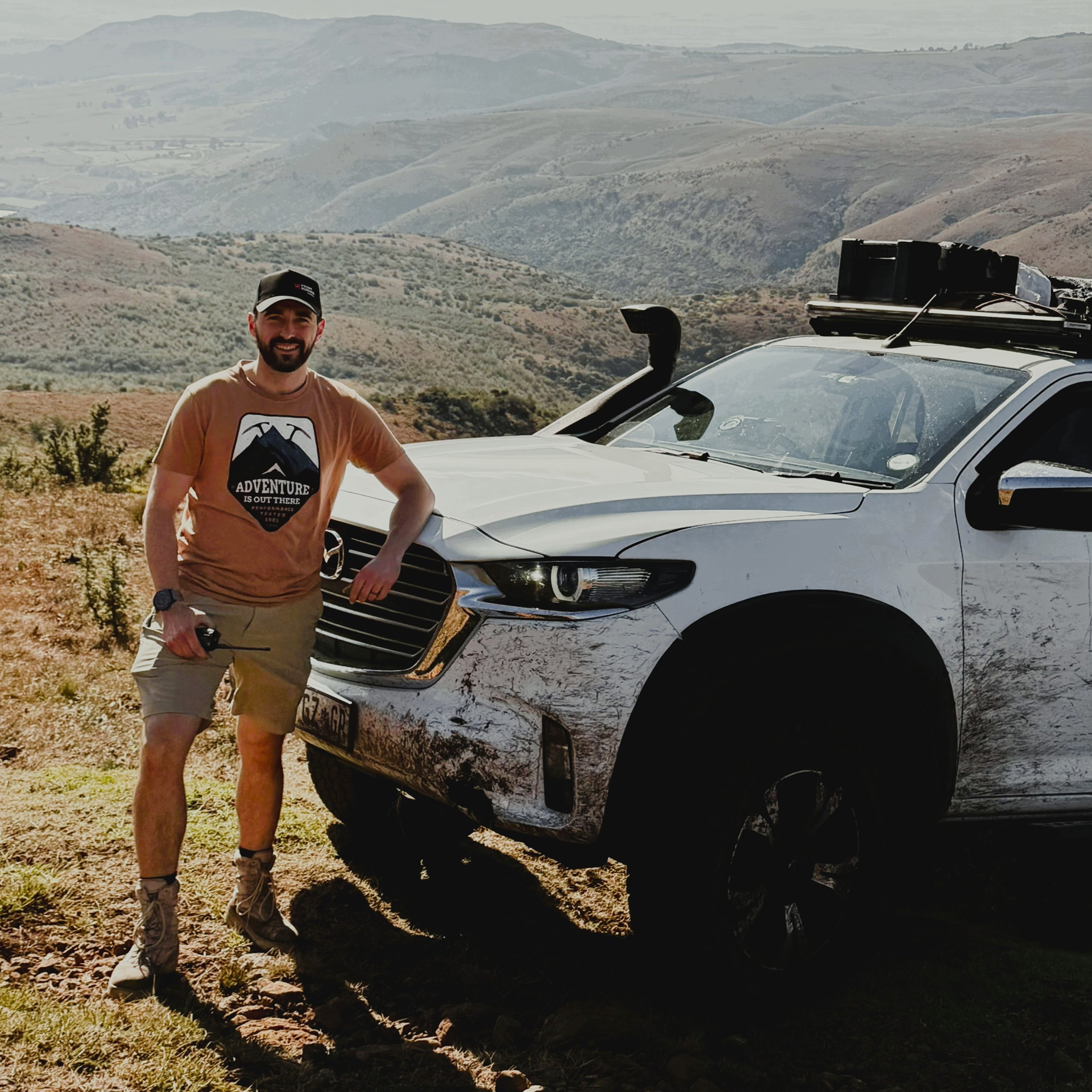
Reder van der Merwe, Head of Product and Engineering
Who: Rob Howie
Role: Head of R&D
Vehicle: Toyota Fortuner 3-litre D4D
Based in: Johannesburg, South Africa
Favourite Dometic accessory: Rack-mounted bottle opener
Road-trip essential: Dometic CFX5 55-litre fridge
Most memorable trip: Crossing the Sahara during the 2004 Dakar Rally. Political instability now prevents that journey, making the drive across that sea of sand especially memorable.
Interesting fact: I once shook hands with Nelson Mandela. Another thing most people don’t know about me is that I‘m a foodie who loves cooking.
Who: Reder van der Merwe
Role: Head of Product and Engineering
Vehicle: Mazda BT50 TF 3.0-litre 4x4
Based in: Johannesburg, South Africa
Favourite Dometic accessory: Quick-release awning mounts, which make installing and removing my awning before and after trips effortless.
Road-trip essential: My spares box. It is filled with all sorts of things and has helped us out of a pickle a fair few times over the years.
Favourite 4x4/overland trip: In 2021, during pandemic travel restrictions, we took a two-week, 4,500 km South African loop with no advance bookings and just two must-sees: Baviaanskloof and Die Hel. After visiting both, we crossed the Tankwa Karoo and Cederberg Mountains to the west coast, continued to Springbok, then returned to Johannesburg via Upington.
Interesting fact: My second name is Sarel so that means I share a name with the famous South African rally driver Sarel van Der Merwe.