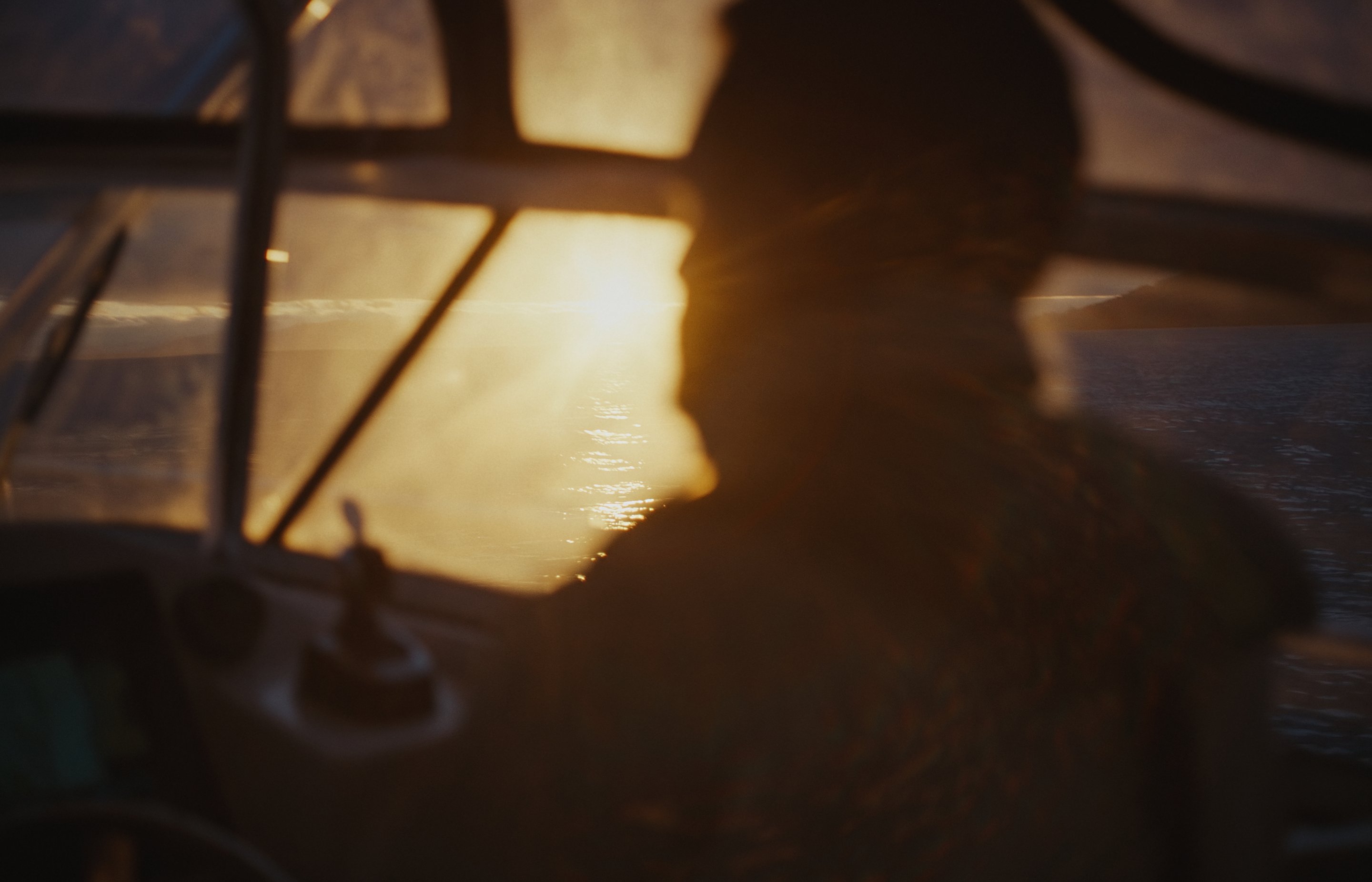
There is a particular advantage to being a mechanical designer who genuinely enjoys time spent on the water. When I’m working through a design problem, whether I’m selecting materials or thinking about how a component will behave, I picture myself on a vessel in challenging conditions. I know what it feels like when a boat starts to roll, and the specific discomfort that comes with trying to work, navigate, or even relax on a platform that won’t stay still. That perspective shapes the decisions I make.
I’ve been with Dometic for nearly a decade, working across a range of electromechanical systems and product development roles, and the DG3 gyroscopic stabilizer stands out as the most technically demanding and personally meaningful project I’ve worked on. The Voyage, our campaign film, tells the story of its development from the outside. This is my view from the inside.
“When I'm working through a design problem, I picture myself on a vessel in conditions that actually test it. That perspective shapes the decisions I make.”
Mechanical Engineering in a Marine Environment Is Its Own Discipline
People who have not worked in marine engineering can underestimate how demanding the environment really is. It combines corrosive salt water, constant vibration, chemical exposure, and wide temperature swings. Even on a small recreational boat in moderate conditions, the forces acting on a moving vessel are complex and less forgiving than most land-based systems.
In practical terms, that means every material choice, fastener, and seal must be evaluated not just for how it performs in ideal conditions, but for how it holds up after years of exposure to an environment that is actively working against it. In the marine environment, you design for the harshest conditions. It also means getting out of the lab and into real conditions, and continuing to test until you are confident in the result.
That point is something I feel strongly about. Computer modelling and finite element analysis are valuable, and we use them extensively at Dometic. At the same time, no model fully captures everything the ocean brings. There is no substitute for putting a physical product on a vessel in real water and observing how it behaves. With a system like the Dometic Gyro, where the interaction between the unit, the hull, and the sea state is genuinely complex, real-world testing is not just a final step. It is a fundamental part of how we develop and refine the product.
One example during development was understanding the additional load placed on the system during turning and heavy maneuvering. Real-world testing brought greater clarity to how yaw motion influences system loads. That insight allowed us to refine how the gyro responds so it supports stability without working against the natural feel of the boat as it leans into a turn.
“The ocean is the most honest testing environment you can work in. It holds nothing back.”
What Gyro Stabilization Actually Does And Why It Matters
It’s worth taking a step back to explain what we were trying to solve. Anyone who has spent time on the water will recognize it immediately, even if they’ve never thought about it in technical terms.
For most boaters, time on the water outside of flat, calm conditions comes with a level of discomfort that is often accepted as part of the experience. There is the rolling motion, and the constant physical effort of adjusting to a platform that never quite settles. For families, for older boaters, or for anyone who does not have strong sea legs, this is often what limits how long they stay out. It’s not always weather, distance, or fuel that brings people back early. More often, it comes down to comfort. At a certain point, the experience starts to feel like work rather than something to enjoy.
Making a vessel truly comfortable in open water meant addressing a very specific set of engineering challenges. That is where the real work began. As a team, we kept coming back to a simple idea: people should not have to cut a day short because the boat itself becomes tiring to be on.
“When being on the water starts to feel like work instead of enjoyment, something is missing. That’s what we set out to change.”
The Physics Is the Easy Part
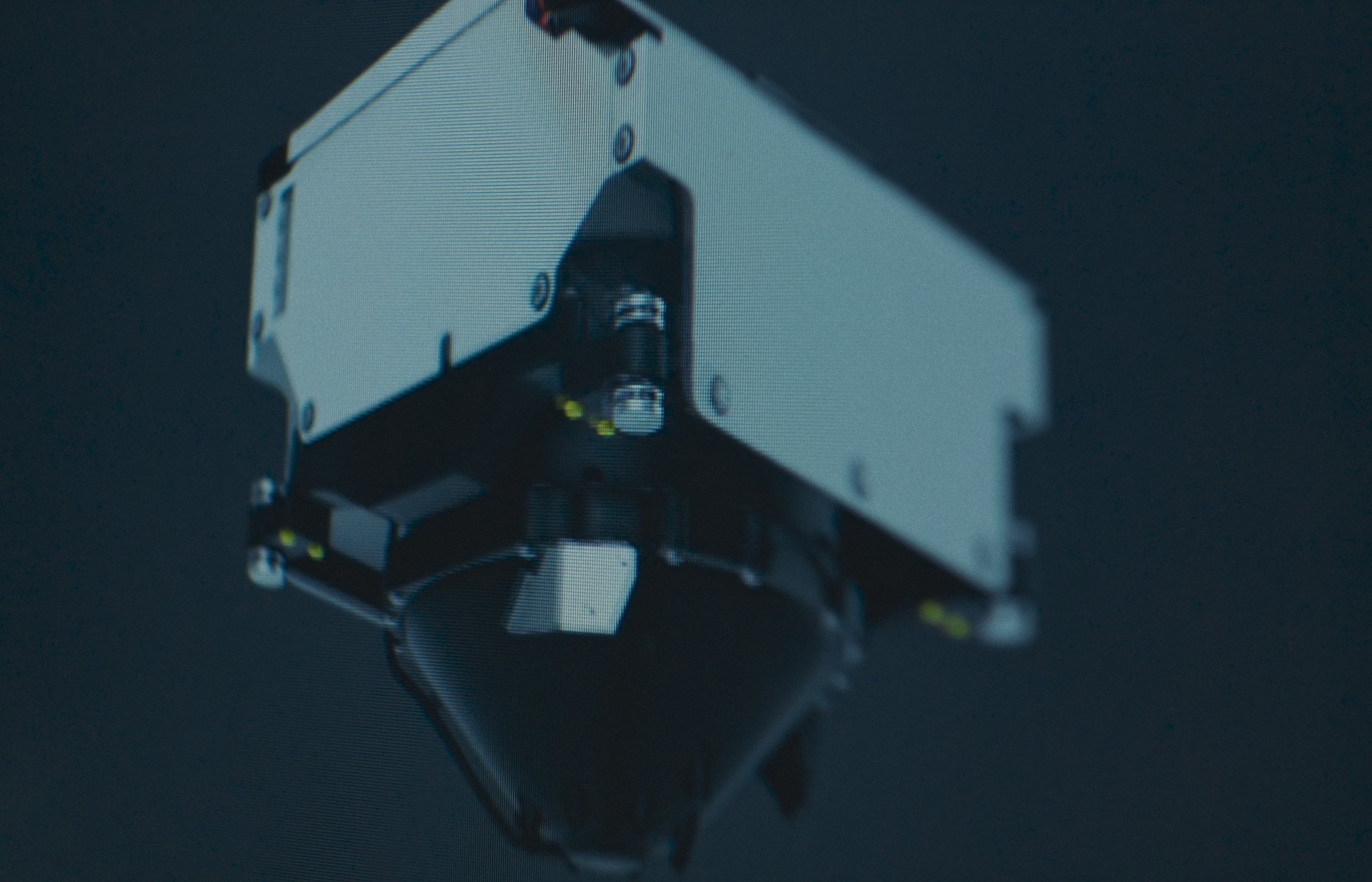
Gyroscopic stabilization is not new or mysterious. At the core, it relies on well-understood physics. A precision flywheel spins at high speed inside a sealed housing, generating torque that counteracts the rolling motion of a vessel. When we began development, the underlying science was something we were already confident in.
What proved more demanding was turning that principle into a product that performs reliably in the real world. It needed to be something you could install in a vessel and operate without needing to understand the engineering behind it. It also had to perform consistently over years of exposure to a marine environment without significant maintenance.
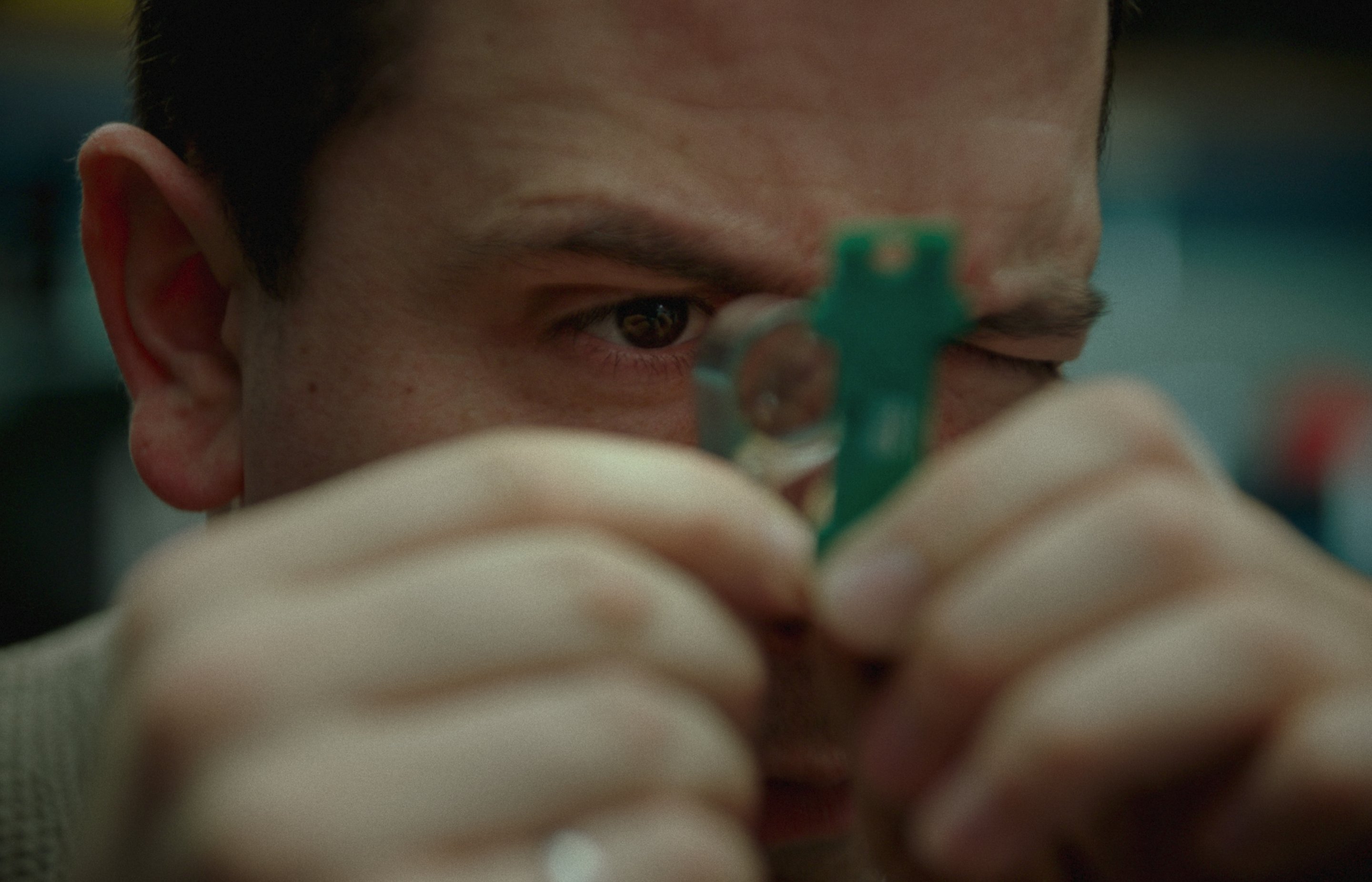
That transition from theory to product is where the engineering effort is focused. It is where material choices are made, where thermal management is solved, where noise and vibration are refined, and where the system is integrated into the vessel’s electrical architecture. None of those challenges exist in isolation. Each decision affects the others.
From a mechanical standpoint, one of the more demanding areas was the flywheel system. A high level of precision had to be achieved in manufacturing and balancing the flywheel to ensure that unwanted vibration is not transmitted into the hull. At the same time, the bearing system is designed to run quietly and efficiently, so it does not become something the user notices during operation.
Another key focus area was electric precession. We were able to draw from our experience with electric steering and adapt our proven technology to meet the higher loads, speeds, and more demanding duty cycle of this application. It challenged us to build on the work we had done over the years, particularly in materials engineering, to make it perform reliably in this application.
Getting all these systems to perform together, to a standard we were confident in, took time, and the finished product reflects that.
“The theory is the easy part. Building a product that works day after day on the water is where the real engineering begins.”
What Time on the Water Changes
Spending time on the water and genuinely enjoying it outside of work gives me a clearer sense of what the end experience should feel like. That instinct is difficult to pull from a specification alone. It comes from having been there.
Most of my time on the water is spent power boating and salmon fishing, often trolling in conditions that are far from calm. I can think of plenty of moments in beam seas where you are trying to manage gear, set lines, or net a fish, while constantly adjusting your footing without even realizing it. It’s usually in those conditions that someone on board starts to feel it, and the conversation shifts toward heading back earlier than planned. Those experiences stay with you.
When we were refining the DG3’s performance, I had a clear reference point for what we were aiming for. It was not just a target on a page, but a sense of what it should feel like to be on a vessel that remains calm and composed in conditions that would normally be uncomfortable. That sense of stability and confidence that comes with it is what we were working toward.
I also knew that improvements like active precession, lower power draw, and faster spin-up would make a real difference in how people use the system day to day. Those details may sound incremental, but on the water they change the experience in a meaningful way.
Growing Into This Work
Over my time at Dometic, I have moved through several roles, and in many ways the DG3 project reflects that progression. Earlier in my career, my focus was more contained. I would be working on a specific component, a single system, or a well-defined technical problem. Being a leader in mechanical product development on something like the DG3 means stepping back and holding a much broader view. It involves understanding how the mechanical system interacts with the electrical, software, and controls architecture, how installation constraints shape what is possible, and how serviceability in the field influences decisions made much earlier in the process.
That broader perspective is something that develops over time. It is also something Dometic has supported by giving people the opportunity to take on more complex challenges as they are ready for them. I am grateful for that. The DG3 reflects the experience and collaboration of the team that brought it together.
Kudos to the entire development team for making the DG3 possible. This took the combined efforts of many. I also owe a lot to the mentors I have had along the way, and peers who challenged, supported, and helped me develop the perspective needed to take on something at this level.
Why The Voyage Matters to Me
When the campaign concept was first presented, the idea of going behind the product and into the engineering environment and letting the people who built the DG3 tell its story, felt simple to me. It felt overdue.
The marine industry has traditionally communicated through data: performance figures, operating ranges, and weight. Those details matter, and they are part of how products are evaluated. But they don’t capture what it takes to arrive at those numbers. They do not reflect the iteration, the testing that sends you back to the design, or the conversations that happen late in the day when a team is trying to work through a problem. They do not show the moment when something that had been unsolved finally comes together.
The Voyage begins to show some of that. Director Kitalé Wilson and the East Cherry team found a way to represent what engineering development actually looks and feels like. The factory spaces, the technical details, the people working through problems in environments that are not designed to be seen, but are where the product really takes shape. Watching it, I recognized the experience. That is not something you often feel when you see your work reflected in marketing.
It also connects to something I believe about where the industry is heading. Customers, and the professionals who support them, are increasingly interested in the story behind the products they choose. Not just what a product does, but how it came to exist, and who was involved in building it. The Voyage is Dometic Marine’s way of opening that up a little. I hope it is the beginning of more stories like this.
The path toward innovation isn’t always smooth sailing. There are setbacks, trade-offs, and long stretches where progress is incremental. Having been part of that process with the DG3, and having also experienced what the result feels like on the water, I can say with confidence: it's worth the journey.