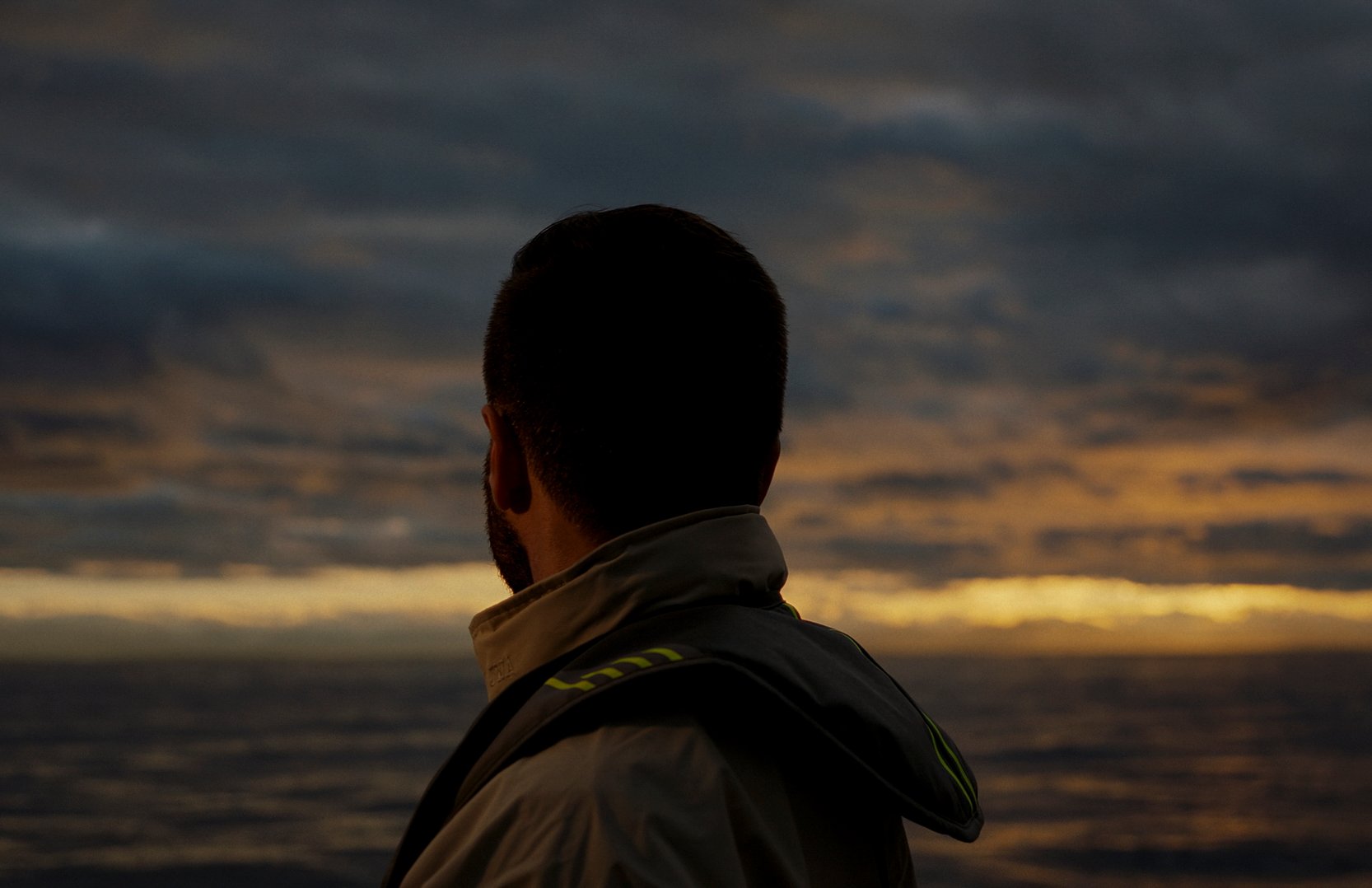
When director Kitalé Wilson first read the brief for Project Gyro, the instinct was immediate: this shouldn't feel like a marine commercial. It should feel like a discovery. 'The brief gave us an opportunity to go behind the product rather than in front of it - to tell the journey of technology.’
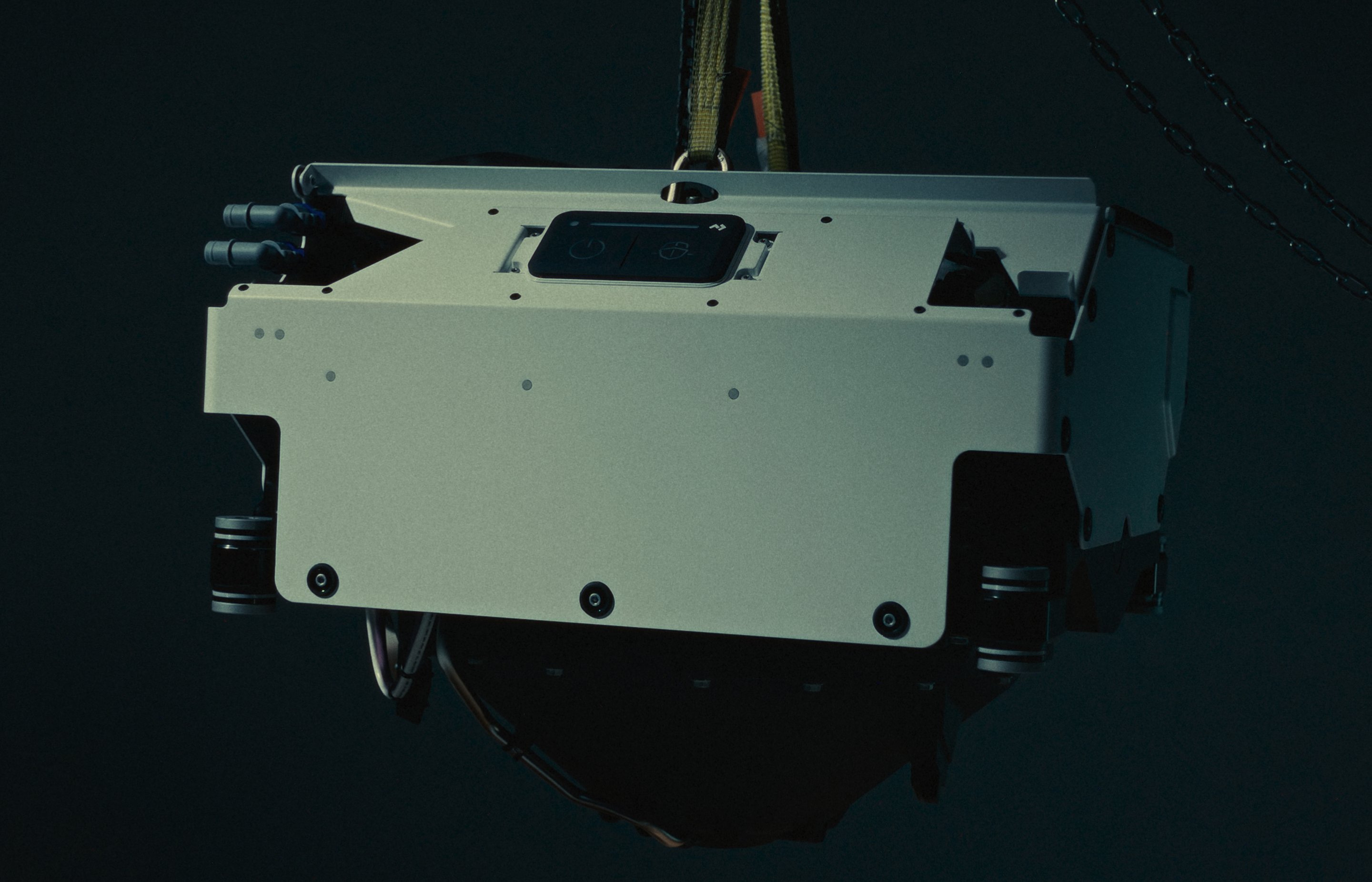
The result is The Voyage — a cinematic docu-commercial that follows the Dometic DG3 Gyro-Stabiliser from the drawing board to the open Pacific. Shot by Vancouver-based production company East Cherry, the film is unlike anything the marine industry has produced before for a stabilisation product. We sat down with Kitalé to find out how it came together.
The campaign is called The Voyage. Where did that idea come from?
I think we started with a lot of questions, the largest of which was ‘what role does the ocean play in this story?’. I had spoken with the Dometic team, heard how much dedication and perseverance it had taken to see the DG3 come to life - I didn’t want that energy to be lost.
I love to lose myself in the research phase of a project, it’s probably my favourite phase, anything is possible and you lose yourself in stimulus. I began looking at how the natural world has shaped modern technology… then I stumbled upon a quote by scientist Janine Benyus in her book on ‘Biomimicry’, in she shares "The natural world is a testbed for innovation."
I was captivated by this concept; It mirrored the journey the team at Dometic had been on - and so it became the premise for this campaign. The ocean doesn't just challenge innovation, it refines it. The path towards innovation is no smooth sailing — and that felt like a true thing to say about this product.
The creative plan for the project references academic studies, brief story excerpts, engineering schematic and plot points. It’s a bold way to tell this story, what compelled you to try and build a world around a product? Instead of maybe something more features-focused.
I think there is so much space within commercial storytelling for exploration, to step into the world of a product, a service, a team. Oftentimes we can get lost in beautiful imagery - sleek looking advertisements that lack any meaning - but in my mind nothing rivals a story that really captivates an audience.
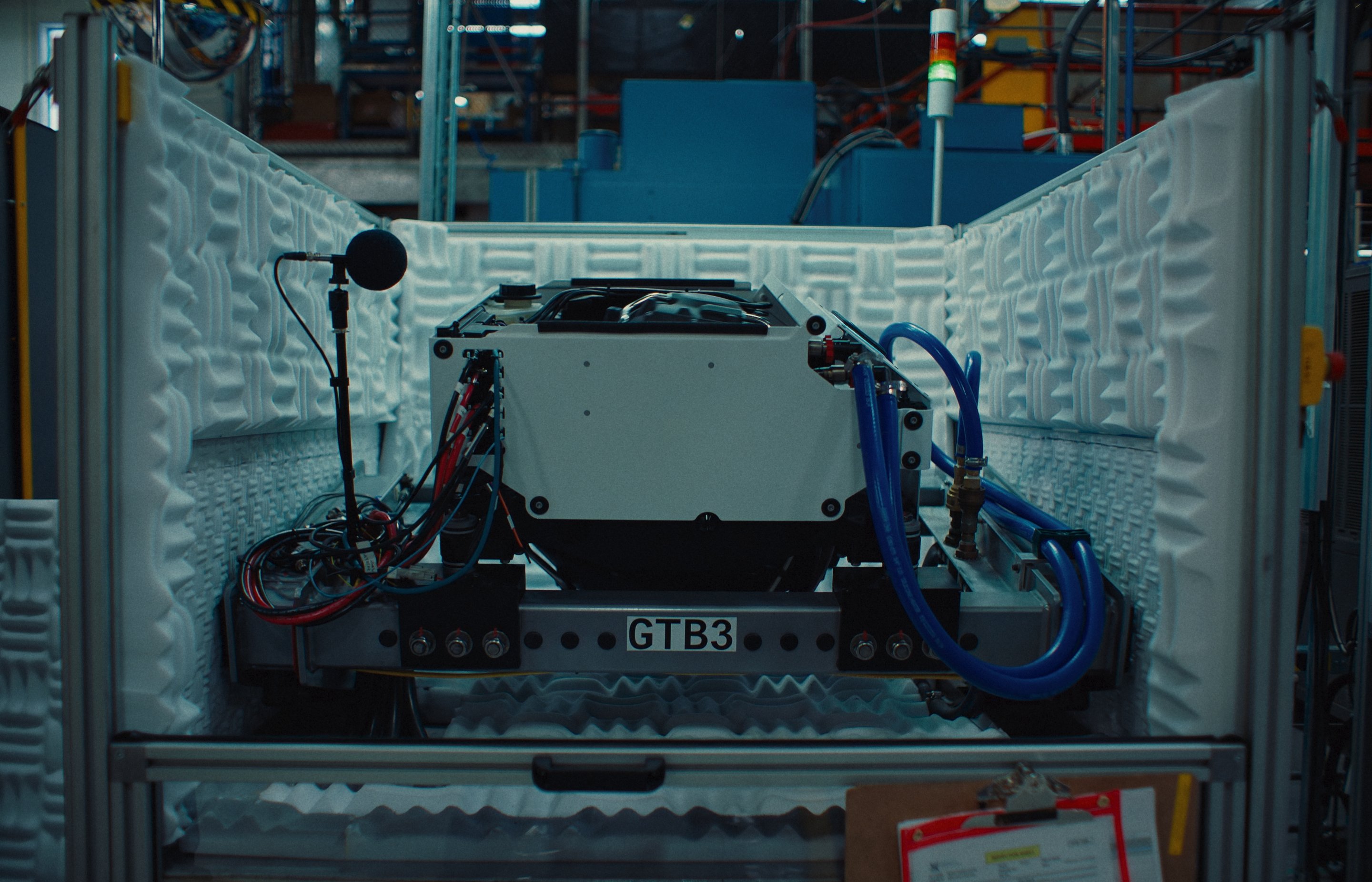
I’m sure we could have gone down a conventional route with this project, but I’m glad that Dometic was onboard to step into something bigger. We had a solid premise but we would need to peer behind the curtain and really share how a product is made - this adds a lot of complexity to a shoot. I was joking with the team that by the end of this shoot I had partaken in a crash course in mechanical engineering… I even have a solid idea of what ‘Electronic Precession’ means now!
The Vision
What do you hope viewers take from The Voyage?
That the products they rely on are the result of years of invisible work by real people who cared deeply about getting it right. The DG3 didn't arrive fully formed. It was tested, challenged, redesigned, tested again. The Voyage is our way of honouring that process — and making it visible.
Final question — what did the ocean teach you on this shoot?
That it doesn't lie. You can control a lot in a studio. On the water, you control very little. And the footage that came from those moments — the real ones, when the wind picked up or the light changed unexpectedly — that's the footage that matters. I am so appreciative of the team that came on board for this shoot, and how they all stuck with it even when it got a little rough. The ocean gave us the film's best scenes. Which, in a way, is exactly the point.
There is a recurring rotation motif — the gyroscopic spinner as a prop, camera rolls, spinning components. How did that develop?
The DG3 works through gyroscopic force — a spinning flywheel that creates stability through momentum. That's a beautiful idea visually. We wanted viewers to feel that principle before they fully understand it. So a small gyroscopic spinner appears in the engineering scenes almost like a toy — casual, curious. And the camera mirrors the product: slow zooms, deliberate rolls. By the time the DG3 activates on screen, the visual language has already prepared you for what you're seeing.
We wanted viewers to feel the principle before they understood it. That force, the gyro, is hidden away but we can paint it into our world we are creating.
Tell us about the production design approach. It's described as 'intentional realism' — what does that mean in practice?
It’s a fancy word for “we didn't build sets”. I think nothing feels better than real spaces… perhaps that's the documentarian in me. Humans are amazing at sensing when something feels false, constructed. We refined real spaces. The engineering office, the factory floor, the workshop — we wanted those environments in their textured and honest state rather than dressed up.
In saying that, we did introduce some conceptual elements where it felt grounded to do so. There are two deliberate design elements: a framed painting of a storm at sea, which positions foul weather as the driving force behind the product's development. I’ve always loved these dutch-realism painting of big oceans and floundering vessels, they really draw you in. It was a nice ode to the lineage of marine innovators that have come before. And the gyroscopic spinner I mentioned. Both are small, intentional details that reward close attention without forcing themselves.
The docu-commercial features six character voices — the Head of Dometic Marine, Engineers, Designers, Technicians, a Boat Builder, and a Boater. How did you decide on that structure?
Each voice represents a different chapter of the DG3's journey. The Head of Dometic Marine, Eric Fetchko, gives you the vision — why stability matters, where the brand is going. The Engineers and Designers are where the real story lives — the problem-solving, the iteration, the moments of frustration and breakthrough. The Technicians bring craft. The Boat Builder brings commercial reality. And the Boater — someone genuinely experienced on the water, from the Pacific Northwest — brings the whole thing home. They're not performing. They're remembering. That's the difference between a testimonial and a story.
Real people rather than actors. Was that always the plan?
Completely. The DG3 is the result of the Dometic team's dedication — so they had to be the faces and voices of the film. We cast the on-water character for experience and instinct, not performance. Their authenticity is what gives the film its emotional weight. You can feel when someone is genuinely comfortable on water. That's not something you can direct.