Tell us about where you live and how you got into storm chasing.
I was raised on the Canadian prairies and still reside there today, in a small town with fewer than 1,000 residents and no one nearby for miles. This allows us to enjoy off-roading and quad-biking whenever we like; I’ve always been passionate about outdoor activities.
I sought a job that offered the highest income and ample time off, which led me to drilling and underground mining. My passions include photography, videography, and travel. Eventually, someone recommended I pursue storm chasing and tornado observation, inspired by the movie Twister. My first storm chase was in 2012, when I saw a tornado for the first time. That experience captivated me.
Are you addicted to chasing tornadoes?
It’s incredibly fun, so after doing it for 12 years, I keep coming back. They are the most awe-inspiring and breathtaking things I’ve ever witnessed. It genuinely feels like encountering creatures from another world.
“You can stand next to true giants for a brief moment, and in that fleeting encounter, time seems to freeze. I am constantly awestruck.”
Is road-tripping for a living fun?
I enjoy the road-trip aspect of storm chasing. Living on the northern edge of Tornado Alley, I do around 95% of my storm chasing in the US, despite last year's largest tornado occurring in Canada. Each year, I drive over 60,000 miles across 20 states, meeting people from diverse backgrounds and exploring varied landscapes.
Every day of storm chasing is unique. You need to treat each day as if it’s the most important because it might be. Everyone must stay alert and do what’s necessary; it could be a matter of life or death.
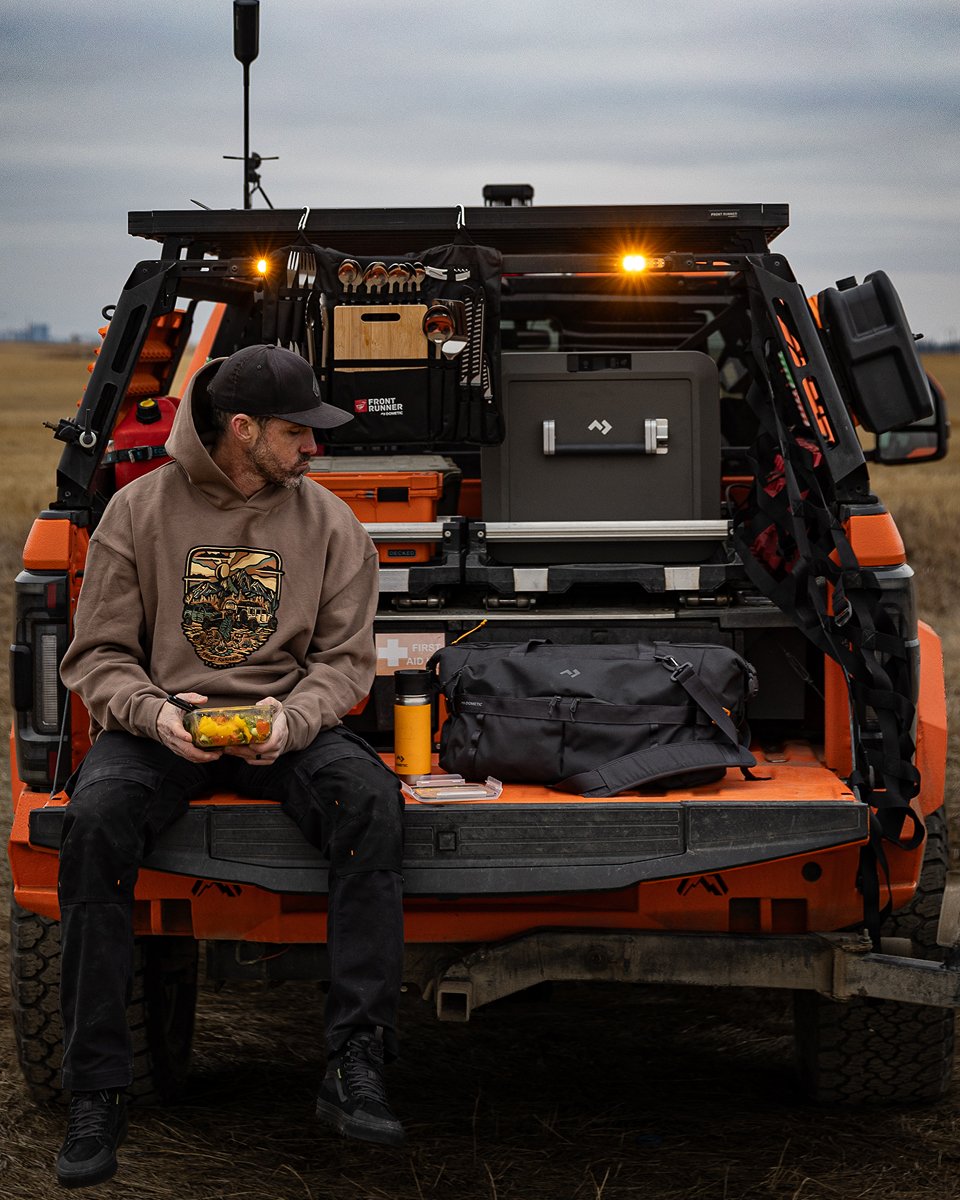
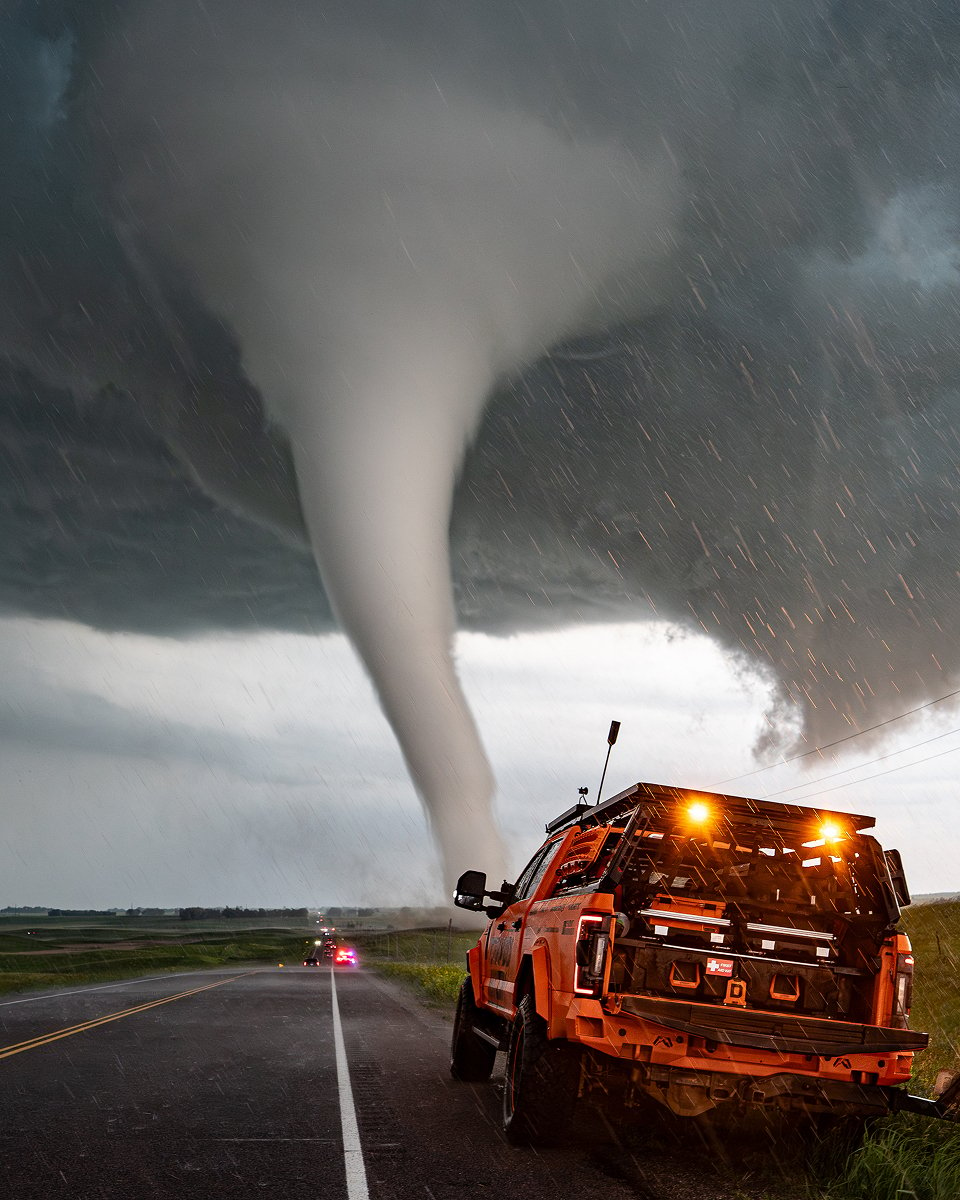
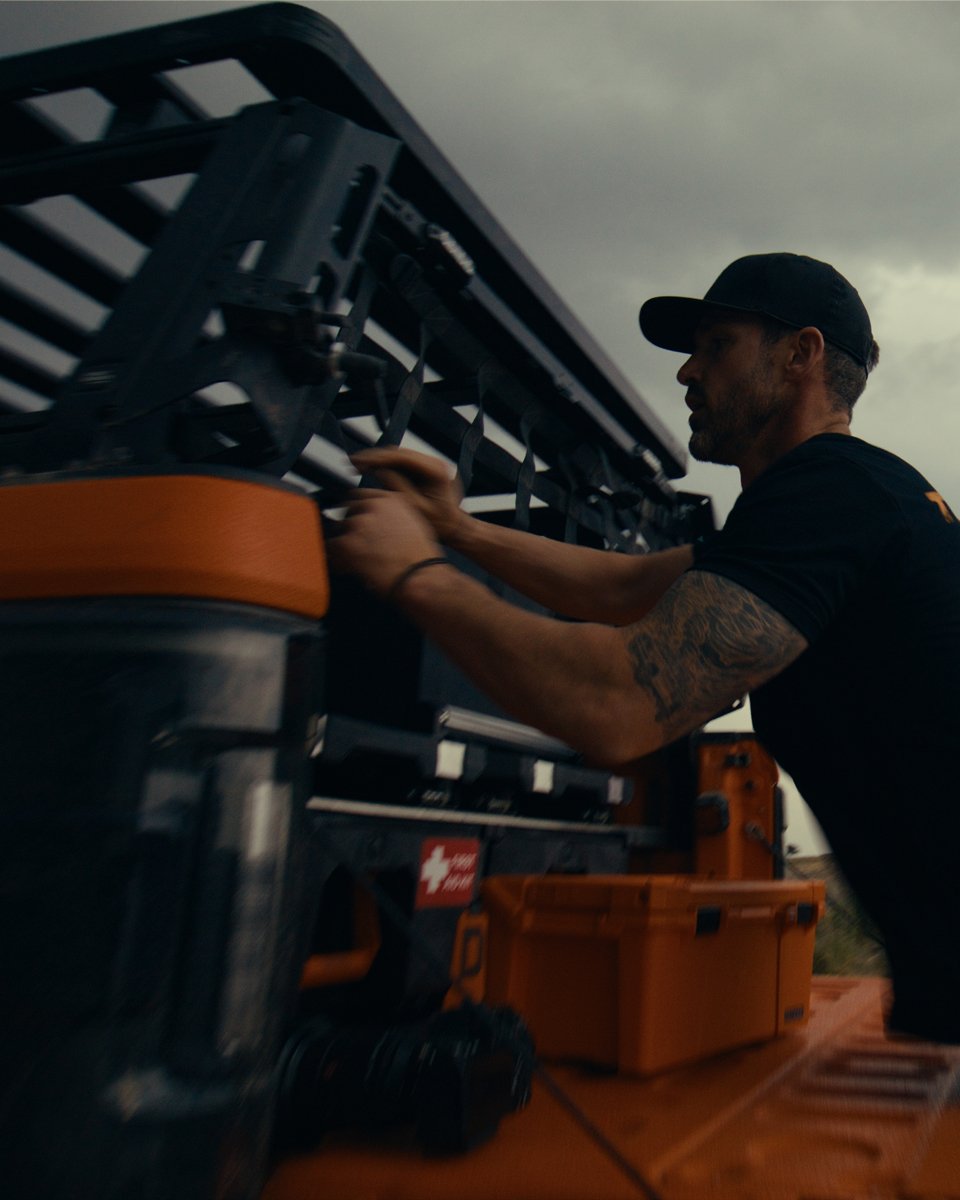
Is the biggest challenge capturing footage that accurately depicts what you see?
I initially pursued storm chasing for the adrenaline. Still, my goal now is to capture the moment effectively so it reflects the awe and beauty of the experience for viewers. In the past, I would show my family the raw footage, and their facial reactions served as a helpful gauge of what resonated with them.
During my second year of storm chasing, I unintentionally included my truck in a photo, which people appreciated because it demonstrated how close we get to the storm. We also began featuring people in our shots. I enjoy capturing the full scope of the storm, not just the damage on the ground but also the point where the tornado meets the clouds.
Has social media impacted what you do?
Social media has changed the way we document storms. People want authentic reels that could’ve been shot on their iPhones. Live streaming has become a big thing in the storm-chasing industry. It's like a live podcast, where listeners or viewers occasionally see storms.
Any tips for budding storm chasers?
Storm chasing requires a team effort. You can't do it alone because you need someone to constantly monitor the weather while another person reads road maps for an exit, as tornadoes can change course unexpectedly. The driver should focus solely on driving, especially since you often encounter rain and hail. Oklahoma, located in Tornado Alley, sees frequent car accidents among storm chasers. On major storm days, many come out to experience their moment of fame. With affordable storm data and predictive technology, anyone can try storm chasing. However, inexperienced chasers who lack knowledge can quickly find themselves in trouble.
Tell us briefly about your current ride and why you chose it for storm chasing.
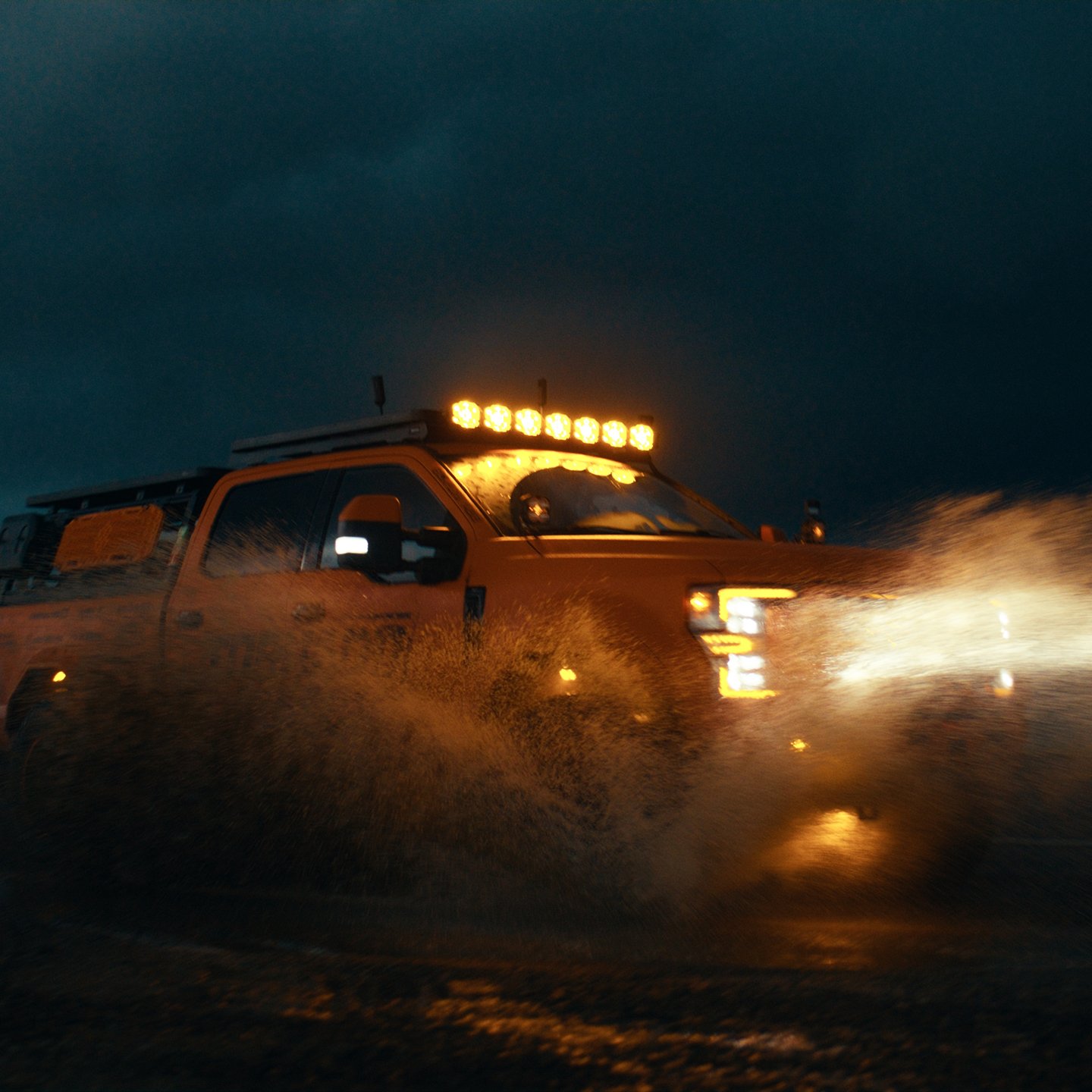
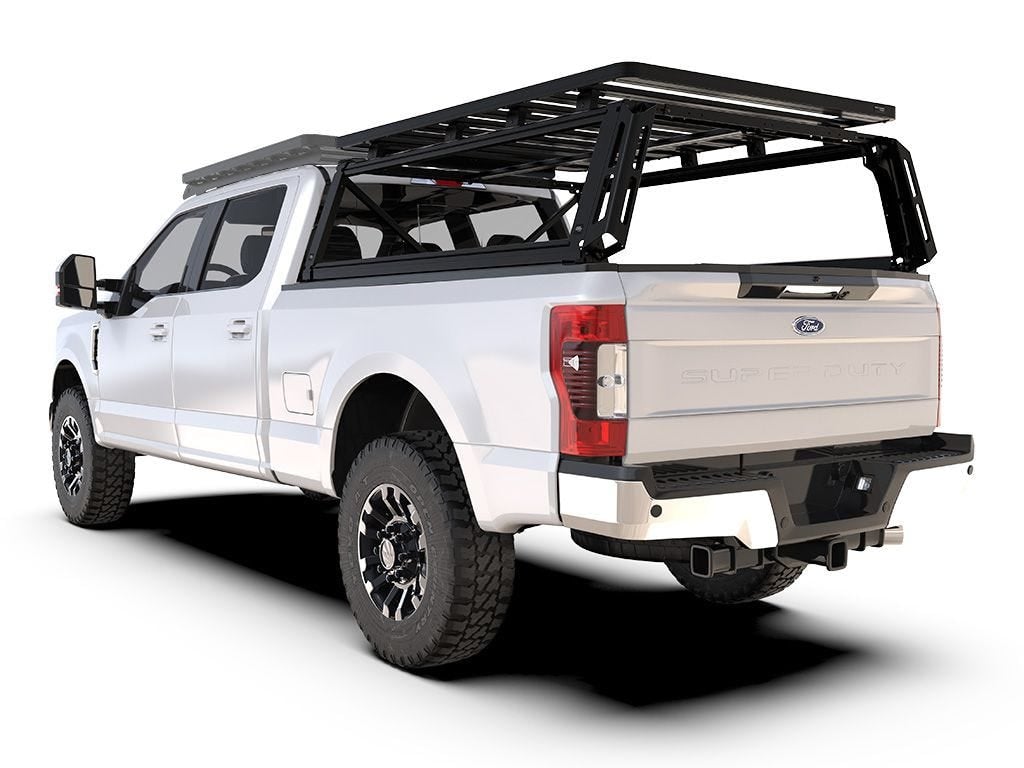
I went for the F250, which replaced my old F150; the truth is, 95% of the time, it’s too much, as there are guys chasing storms in much smaller or regular cars. However, we need to go where the storm goes, and when the associated rains come in, they will wash away roads and create that tacky, clay mud; if in an F150, you can quickly get stuck.
When you put yourself before a storm, vehicle failure is not an option. I love my storm chasing truck. Last year, we ploughed through two-foot-deep mud like a tractor; nothing stopped this truck. I also like to be a resource for others and often help pull people who are stuck out; you can’t just leave them.
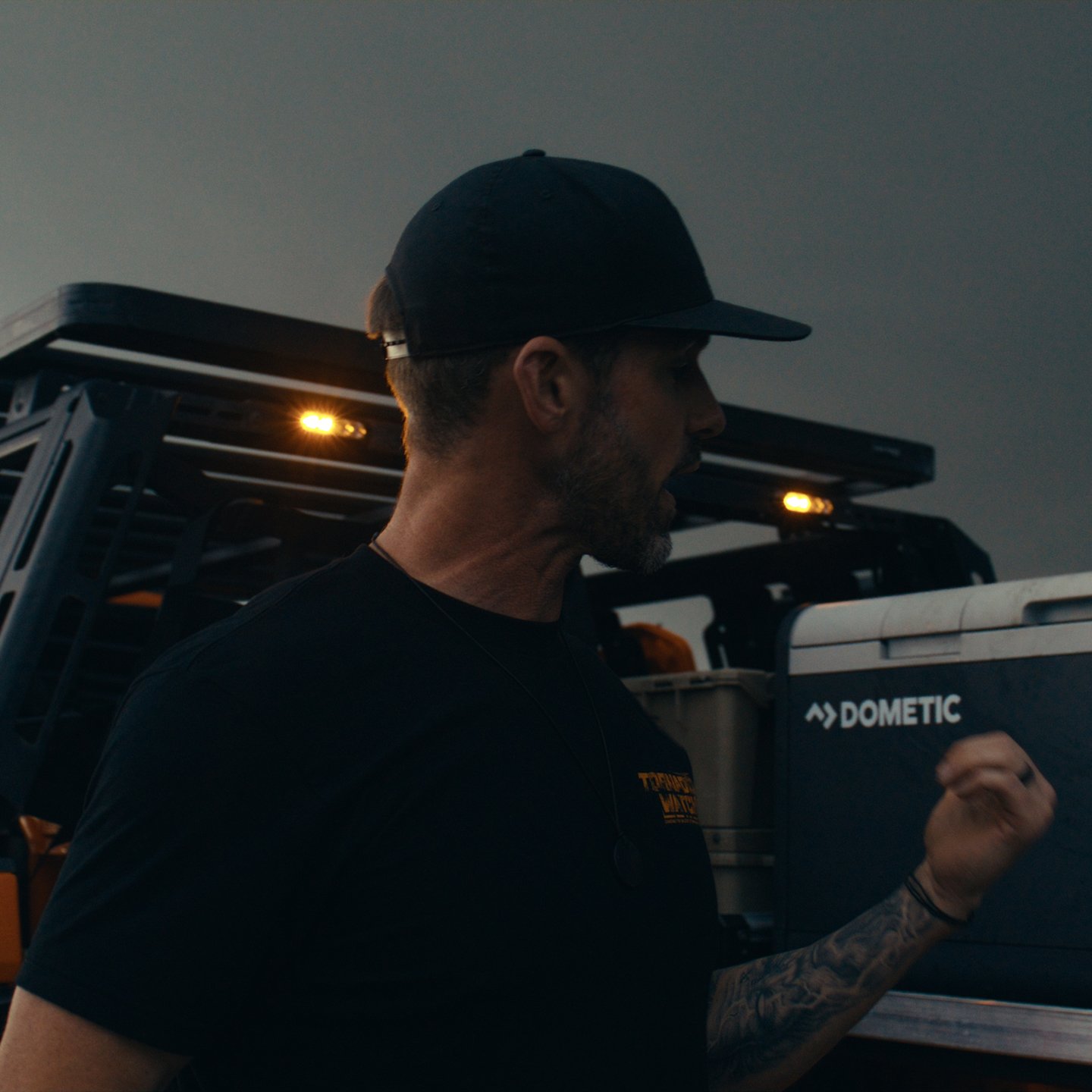
You have two Dometic Front Runner Series racks. How do they help when storm chasing?
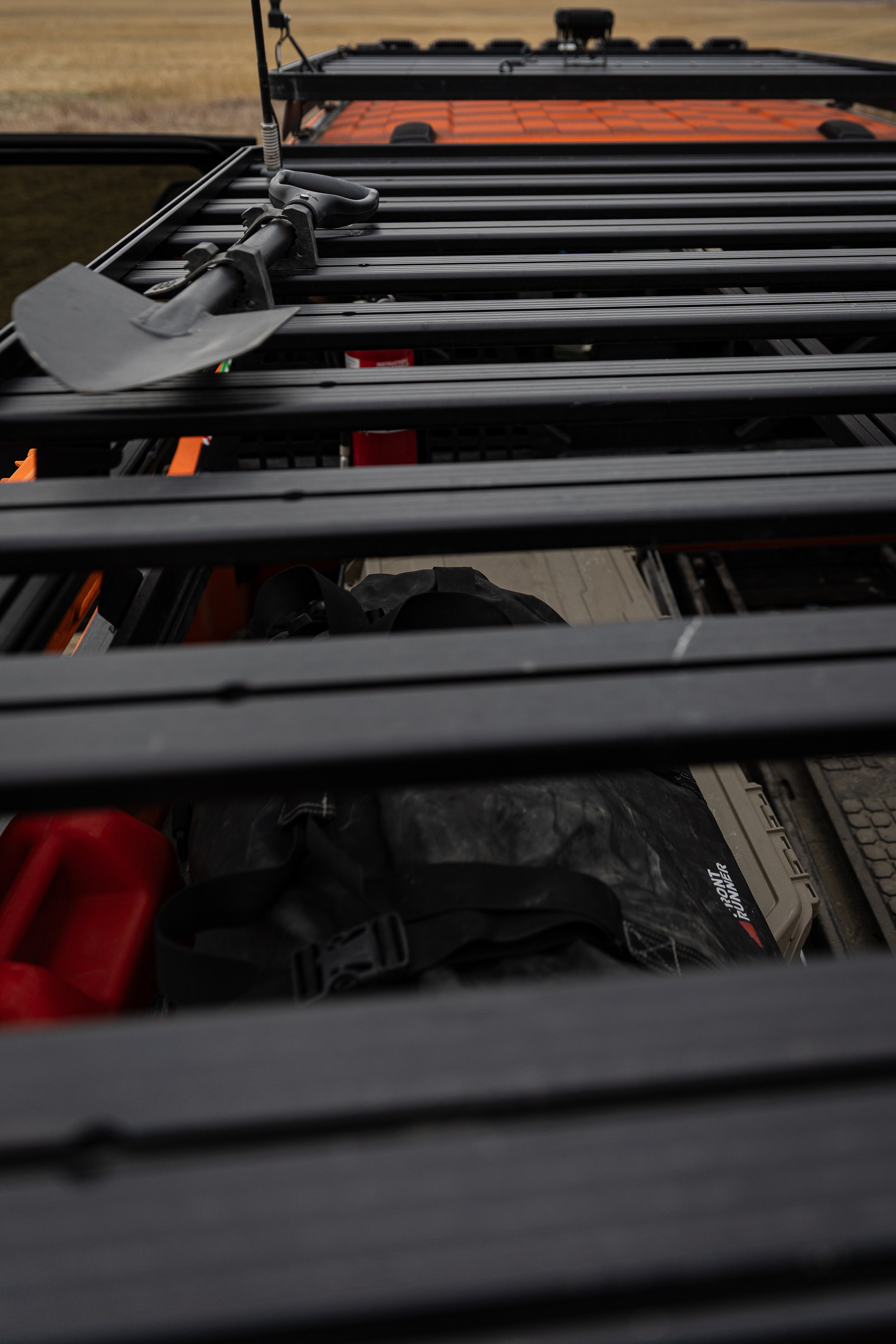
I have a large lightbar on the front of my Dometic Front Runner Series rack on the cab, and I also added Wolf Pack Pro storage boxes. However, when we go storm chasing, everything on the rack must come off, or it will be ripped off. So we go for a minimalist look. Dometic Front Runner Series make roof racks for extreme weather.
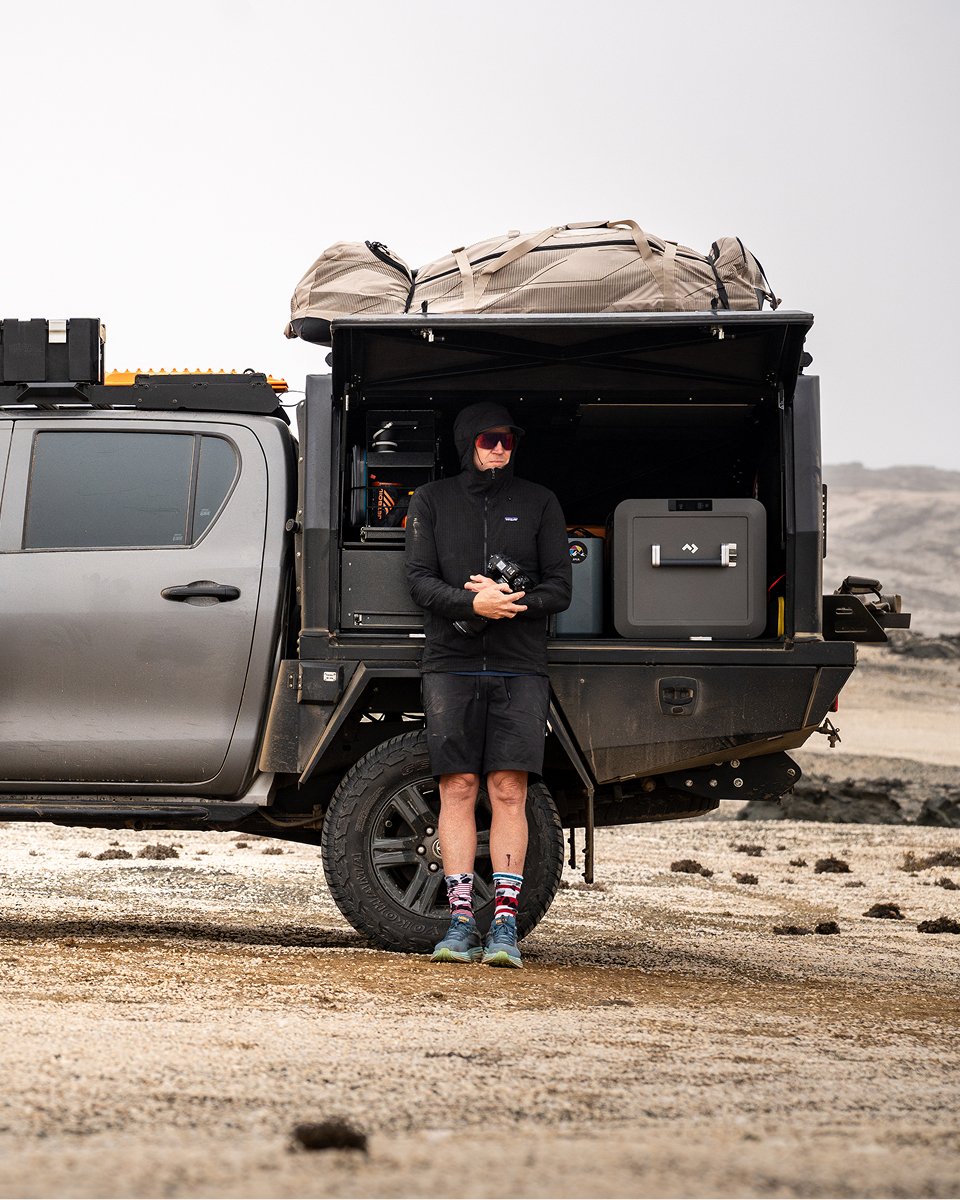
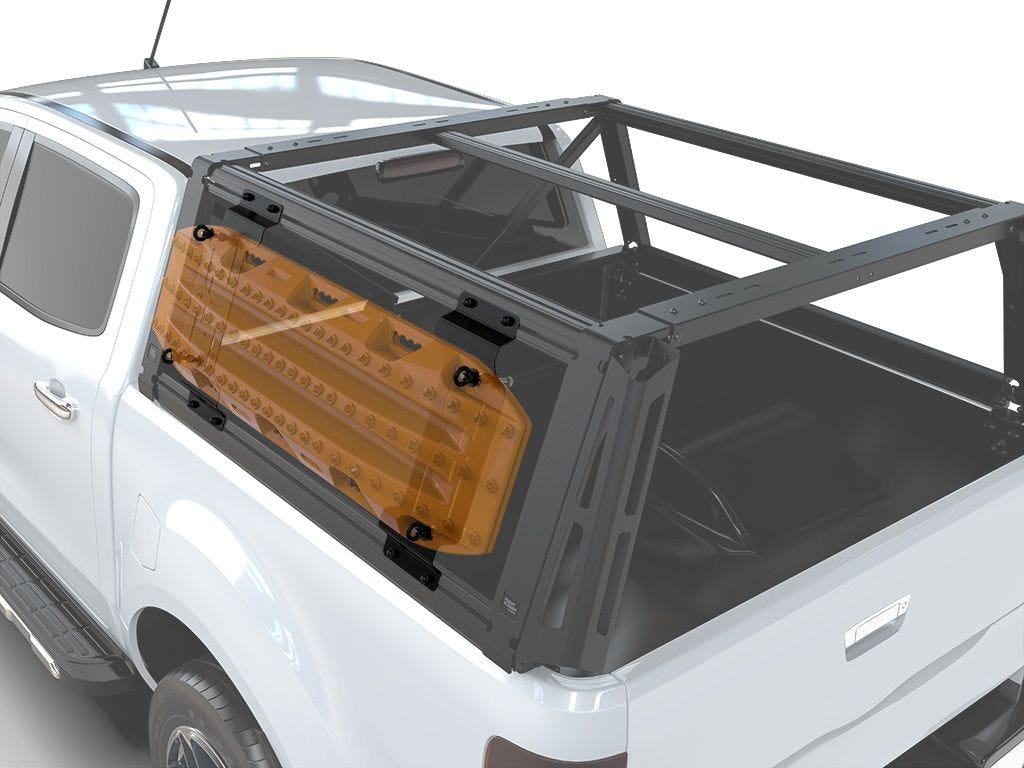
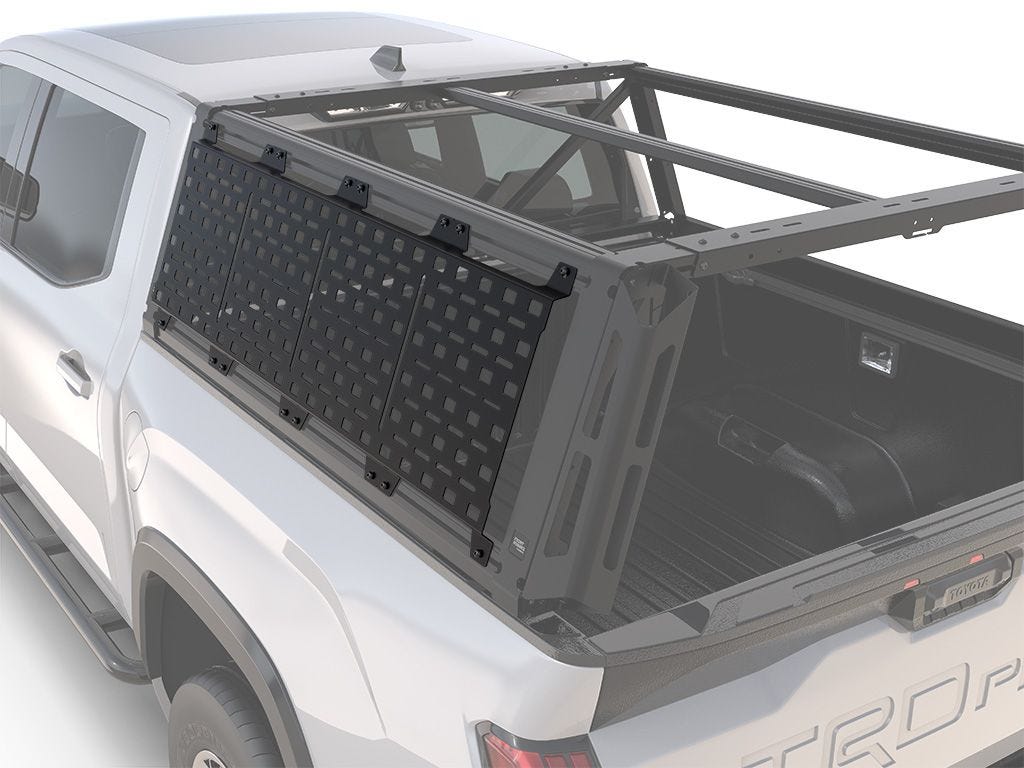
The Ford F250 Pro Bed Rack sits on top of the load bed. This gives us quick, easy access to all the gear mounted on the rack’s side. The only bit of gear that always stays on the Pro Bed Rack is our recovery tracks, because you never know when you'll need them yourself or to help someone else who is stuck while trying to outrun a twister.
Which other bits of gear do you rely on?
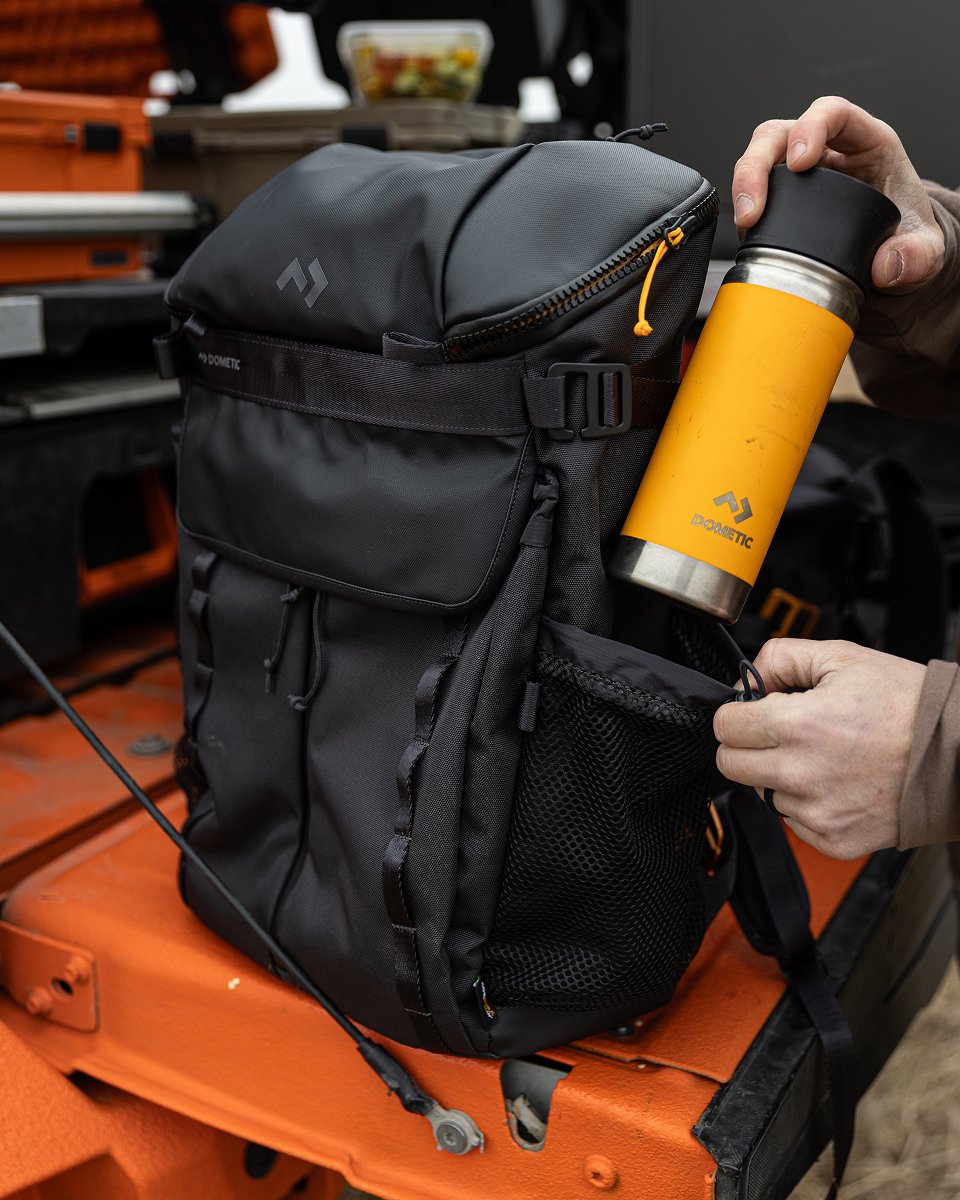
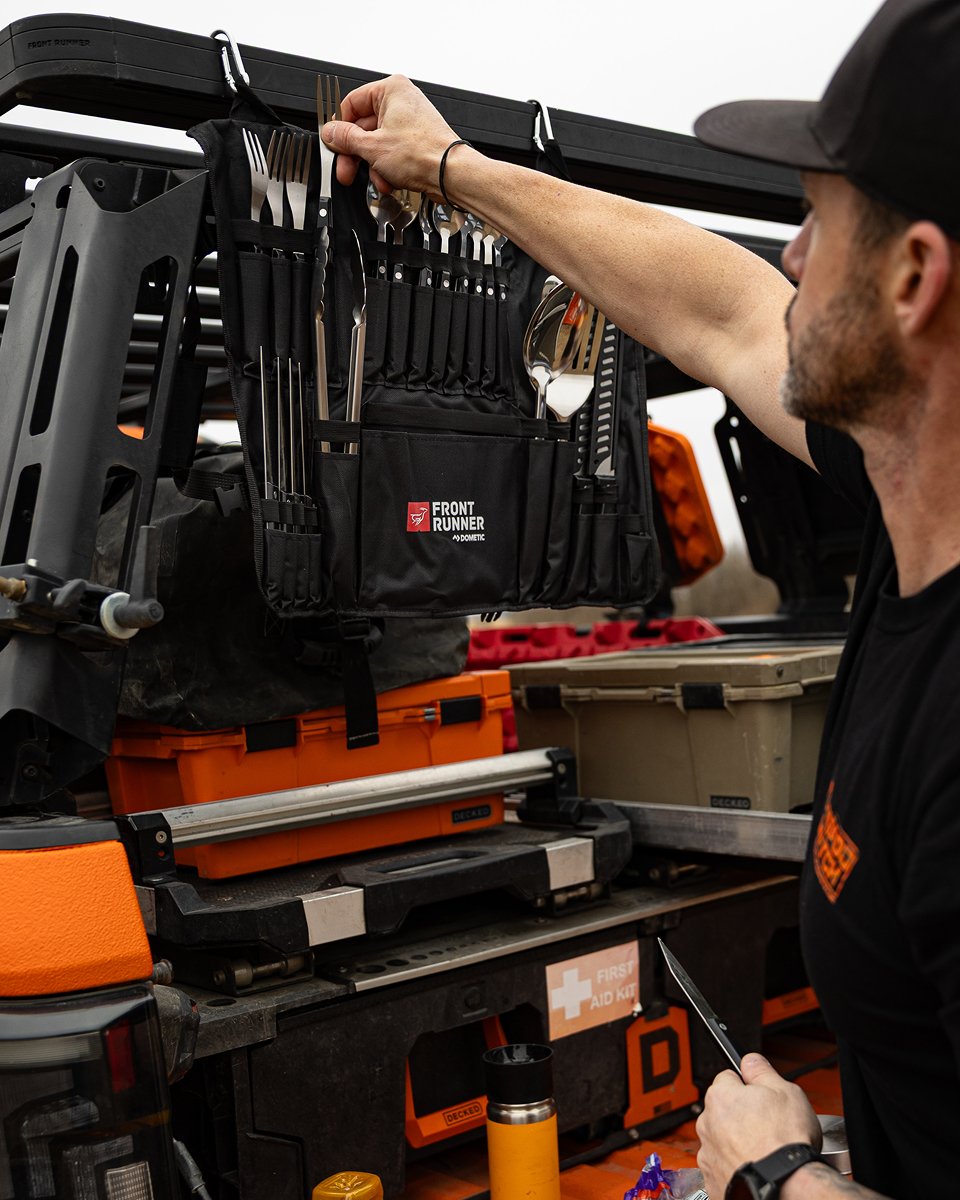
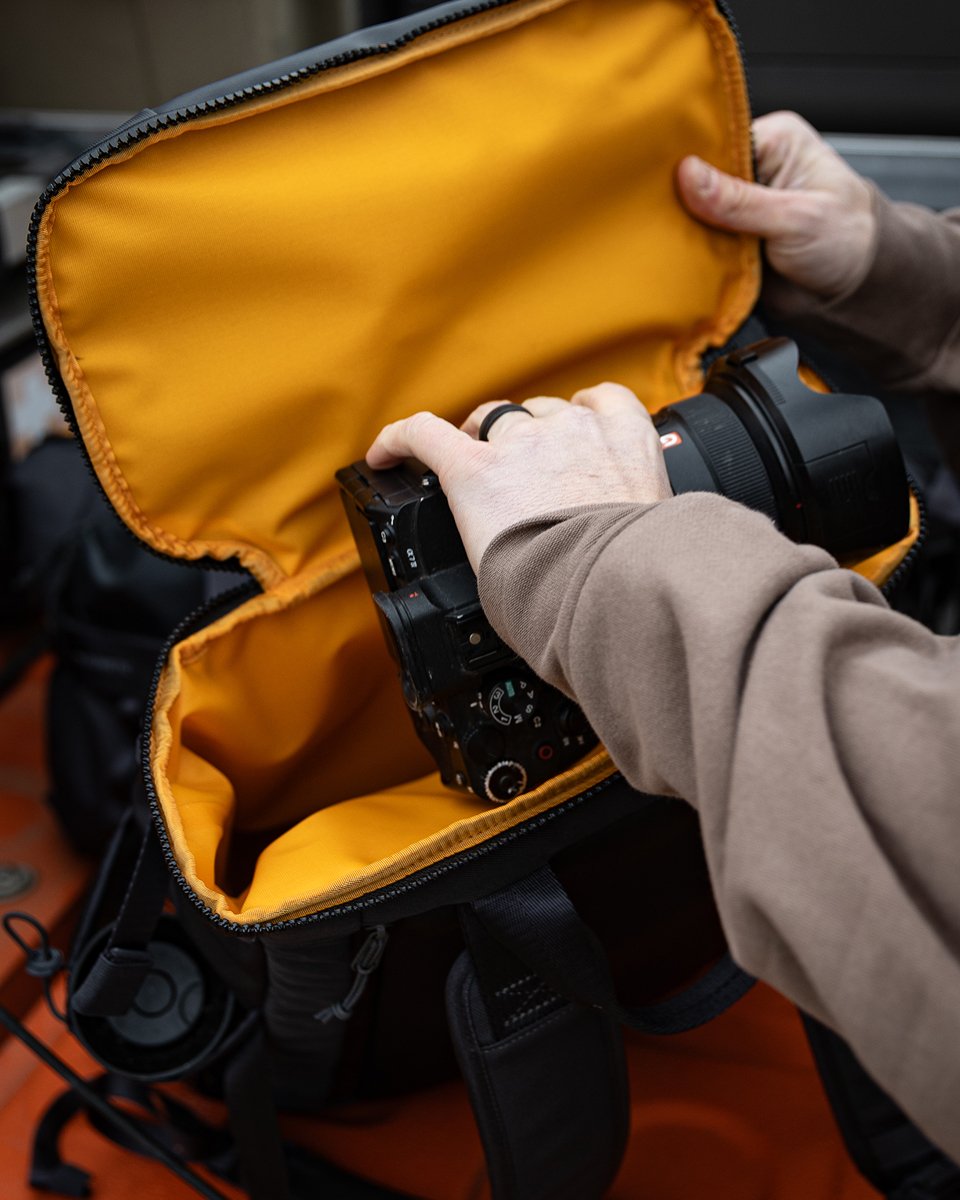
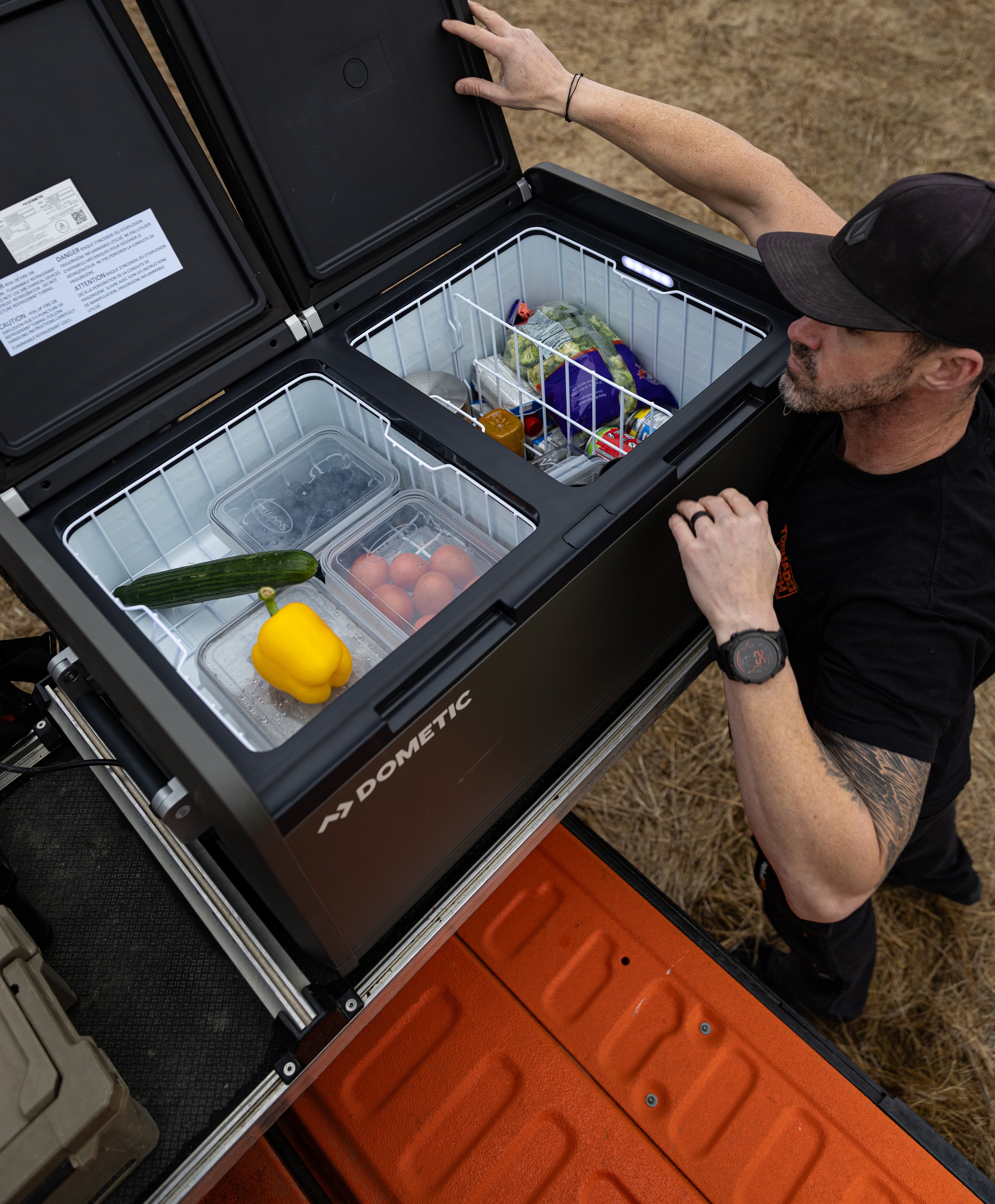
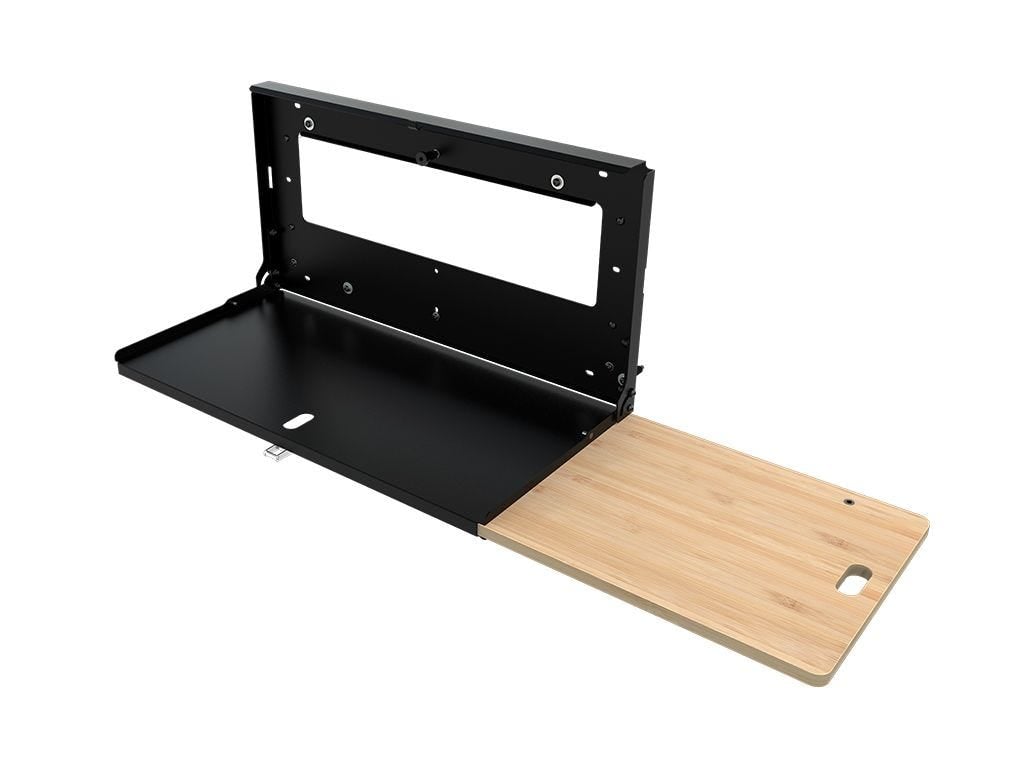
I spend a lot of time on the road, and when you are storm chasing, you go where the storm goes, which often means you are in the middle of nowhere. You need to carry everything you need with you, not only to keep the wheels turning but also to keep yourself going. I fill my Dometic CFX-powered cooler with all my favourite snacks, drinks and meals. The fridge is in the load bed on a slide, so accessing it is quick and easy. It’s been a real game-changer.
Explore the Ultimate Overlanding Collection [6]

What tyres are you running?
We spend 95% of our time on the highway, but as I said earlier, losing traction or getting stuck isn’t an option, so we run a 37-inch General Tire Grabber X3, which pulls us through tough mud and snow.
What was your scariest storm chasing moment?
In my second year of storm chasing, we got caught in a tornado, which turned out to be the world’s largest. It was 4 km wide on the ground. Usually, you can see where a tornado ends, but not on this one. It felt like the sky had fallen to the ground.
We were inside for about 45 seconds, but it felt like forever. I was the driver and could see it lifting tractors and combine harvesters off the ground. Then it started lifting homes, and they approached us. This filled me with incredible sadness. I was only 26, and this was not how I had wanted to die. Other people in the group started to say their goodbyes. I had a rule with my Mum that I would call her before the big ones; I hadn’t called her before this one.
The tornado started throwing objects at us, and one of the windscreen wipers snapped off. I could barely see because of the water and mud. I put us into a ditch because, on the road, a tornado will lift or flip a car. I remember looking out the window and seeing a two-tonne farm truck floating in the air and landing in front of us. I dodged it and ramped out of the ditch and back onto the road, and that was it; the tornado was gone.
Finally, we stopped and watched it disappear in the distance. Some big-name storm chasers were killed in that very same tornado.
Follow Ricky: @forbesricky (opens in new tab)