More Than Just Comfort
Reducing roll can make everyday activities onboard easier, from moving around the deck and preparing tackle to fishing, entertaining or simply relaxing. The difference can be particularly apparent while drifting, trolling at low speed or sitting at anchor.
Stabilization Without Hydraulics
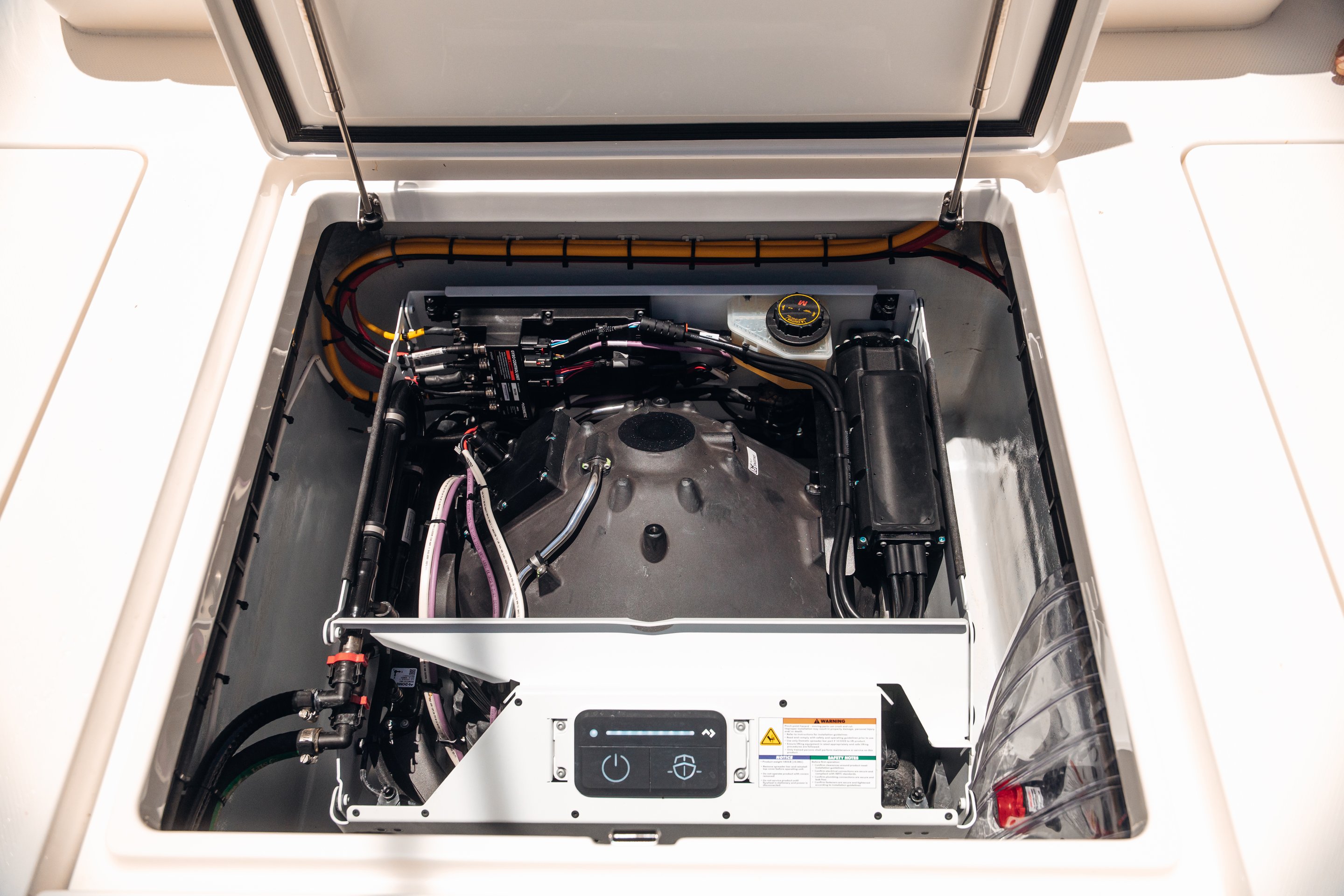
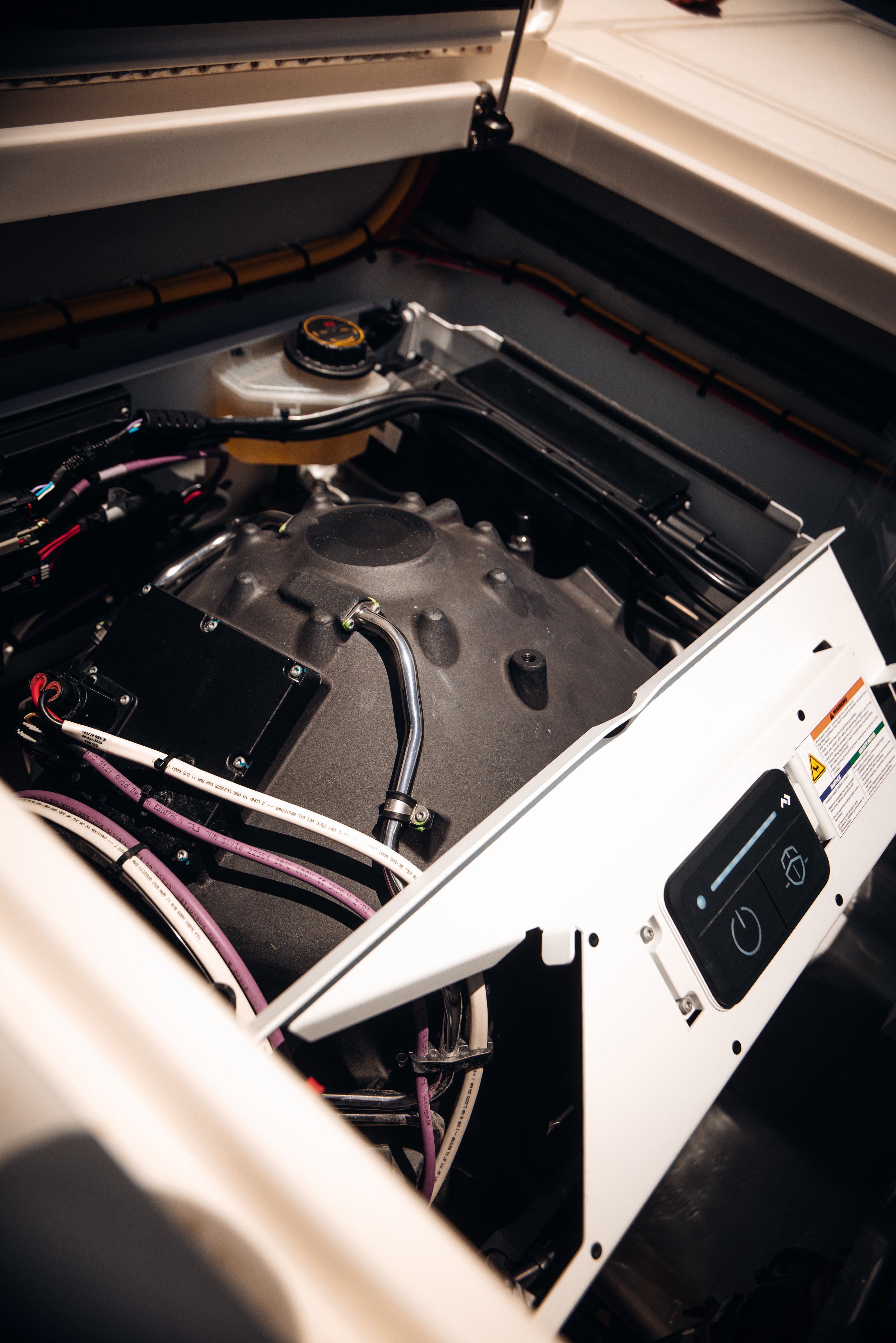
The DG3 uses an all-electric precession actuator that eliminates hydraulics, helping reduce maintenance requirements and simplify system integration. For boat owners, that means fewer hydraulic components to maintain while still gaining the benefits of gyro stabilization.
Power Matters on Today's Offshore Boats
Modern offshore boats have increasingly sophisticated electrical demands. Navigation displays, sonar, radar, refrigeration, air conditioning, lighting, pumps, entertainment systems and other equipment all compete for available onboard power. Adding another major system makes electrical efficiency increasingly important.
The DG3 uses 40% less power than the competition, reducing the additional demand placed on the boat's electrical system. It is also compatible with 12, 24 and 48V systems, giving builders and installers greater flexibility when integrating the gyro into different vessel electrical architectures.
Getting to Stabilization Faster
How quickly a gyro begins delivering stabilization can make a meaningful difference in everyday use. The DG3 begins delivering stabilization in approximately nine minutes and reaches full operating speed in approximately 16 minutes.
When it's time to shut down, regenerative braking captures energy as the flywheel slows and returns it to the vessel's electrical system.
Together, these features are designed around a simple objective: make gyro stabilization easier to integrate into the way boaters actually use their boats.
Putting It to the Test Offshore
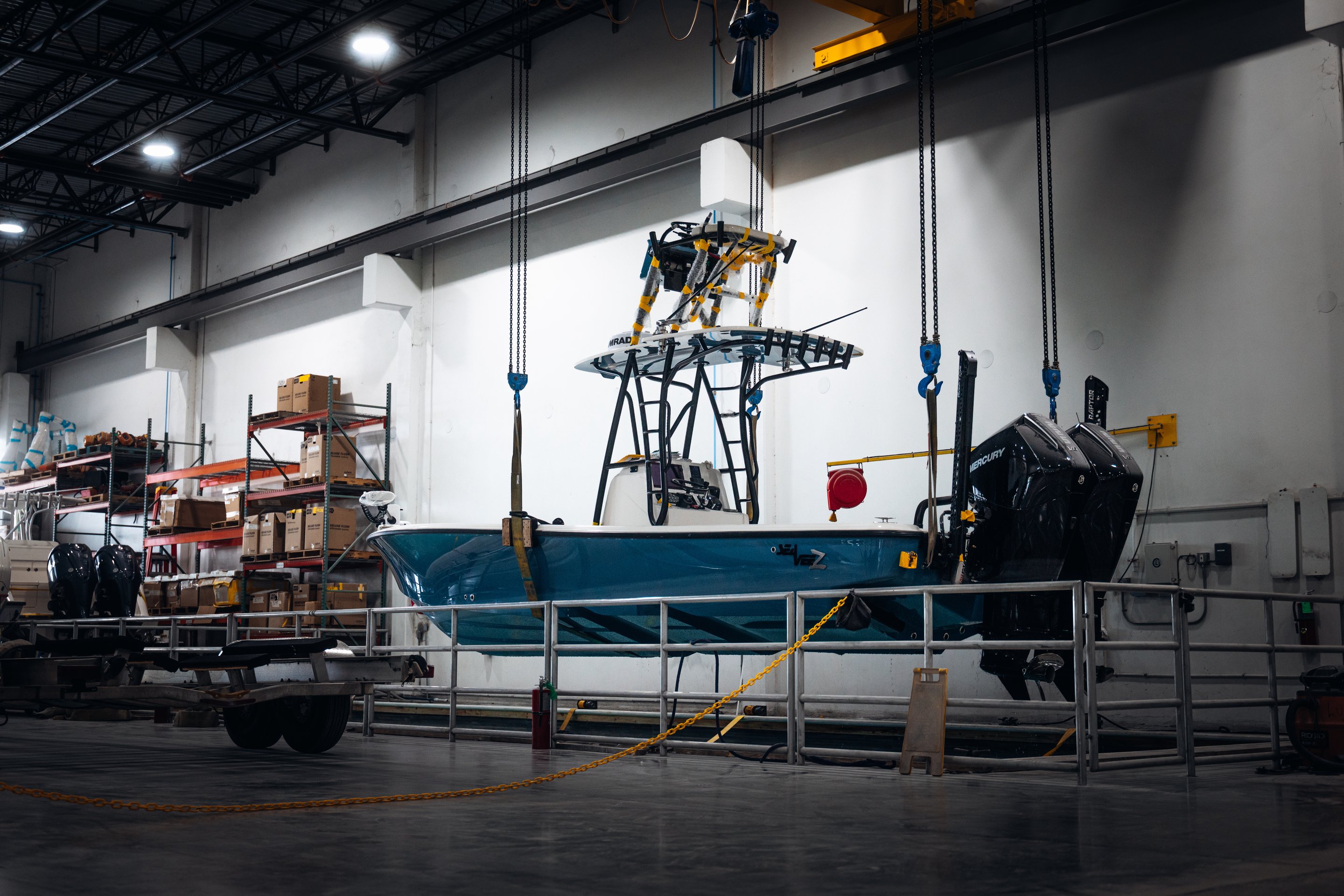
Specifications explain how a gyro works. The experience on the water demonstrates why it matters. Florida-based custom boat builder SeaVee put the Dometic DG3 to the test aboard one of its high-performance offshore boats. Watch the testimonial to hear directly from the SeaVee team about its experience with the DG3.
Explore the Dometic DG3 Gyro
Designed for boats up to 41 feet, the Dometic DG3 combines all-electric actuation, low power demand and simplified system integration to help reduce roll and improve comfort onboard.